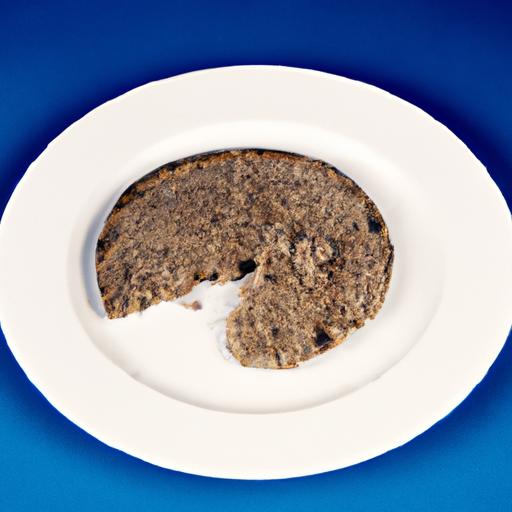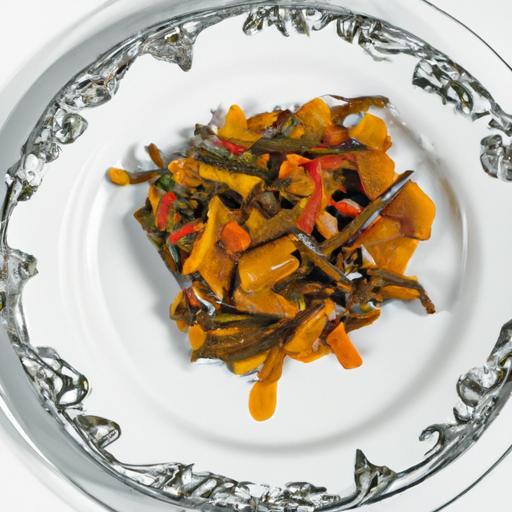

In a world brimming with culinary possibilities, whole rye grains quietly await their moment to shine-offering not just nourishment, but a rich tapestry of flavor, texture, and history. “Mastering Meals: Creative Ways to Cook with Whole Rye Grains” invites you on a journey beyond the familiar, where humble rye transforms everyday dishes into vibrant celebrations of wholesome goodness. From hearty breakfasts to innovative main courses and even unexpected desserts, this article explores how embracing whole rye can elevate your cooking, invigorate your palate, and connect you to centuries of tradition in every bite. Prepare to unlock the full potential of this ancient grain and discover creative ways to infuse your meals with its robust, nutty charm.
Mastering meals with whole rye grains opens up a world of nutritional richness and culinary versatility that many home cooks overlook. Rye grains, celebrated for their earthy flavor and dense texture, have been a staple in Northern and Eastern European kitchens for centuries. Their robust, nutty taste combined with an impressive fiber and mineral profile makes them an exceptional ingredient to incorporate into daily cooking.
Prep and Cook Time
Preparation Time: 12 hours (soaking time)
Active Cooking Time: 45 minutes
Yield
Serves 4 as a hearty side or main component
Difficulty Level
Medium – patient preparation with simple techniques
Ingredients
- 1 cup whole rye grains, rinsed thoroughly
- 3 cups filtered water (for soaking)
- 2 cups vegetable broth or water (for cooking)
- 1 small onion, finely chopped
- 1 garlic clove, minced
- 1 tablespoon olive oil
- 1 teaspoon sea salt
- Fresh herbs (thyme or parsley), for garnish
Instructions
- Soak the rye grains: Place rinsed rye grains in a bowl and cover with 3 cups of filtered water. Soak overnight or for at least 12 hours to soften the tough exterior and reduce cooking time.
- Drain and rinse: After soaking, drain the rye grains and rinse well under cold water to remove any residual bitterness.
- Sauté aromatics: Heat olive oil in a medium saucepan over medium heat. Add chopped onion and garlic, sauté until fragrant and translucent, about 5 minutes.
- Cook the rye grains: Add the drained rye grains to the saucepan and stir for 1-2 minutes to toast slightly, enhancing their nutty flavor.
- Add liquid and simmer: Pour in 2 cups of vegetable broth and add sea salt. Bring to a boil, then reduce heat to low, cover, and simmer gently for 35-40 minutes, or until grains are tender but still chewy.
- Rest and fluff: Remove from heat and let the rye grains rest, covered, for 10 minutes. Fluff lightly with a fork before serving.
Tips for Success
- Soaking not only cuts cooking time but also improves digestibility and nutrient absorption.
- For added depth, swap vegetable broth with mushroom broth or add a bay leaf during cooking.
- If grains are too chewy, add a splash of hot water, cover, and cook an additional 5-10 minutes.
- Leftovers can be chilled and later transformed into salads or hearty grain bowls.
- Rinse grains thoroughly to avoid a dusty, bitter aftertaste.
Serving Suggestions
This versatile dish shines when served warm as a base for roasted vegetables, sautéed mushrooms, or a rich tomato ragù. Garnish with fresh herbs like thyme or parsley to add brightness. For a nurturing breakfast, stir in a dollop of Greek yogurt, drizzle with honey, and top with toasted nuts and fresh figs.
| Nutrient | Per Serving |
|---|---|
| Calories | 210 kcal |
| Protein | 6 g |
| Carbohydrates | 45 g |
| Fat | 3 g |

For more creative grain recipes, check out our guide on how to master quinoa dishes. Discover the nutritional insights and scientific benefits of rye offering fiber-rich whole grains at Harvard’s Nutrition Source.
Q&A
Q&A: Mastering Meals – Creative Ways to Cook with Whole Rye Grains
Q1: What makes whole rye grains a unique ingredient to cook with?
A1: Whole rye grains boast a robust, earthy flavor and a chewy texture that sets them apart from other grains. They are rich in fiber, vitamins, and minerals, making them a nutritious base for hearty meals. Their distinctive nutty taste adds depth to dishes, making every bite a culinary adventure.
Q2: How should I prepare whole rye grains before cooking?
A2: Start by rinsing the rye grains under cold water to remove any impurities. For enhanced digestibility and a creamier texture, soak them overnight or for at least 6-8 hours. This not only shortens cook time but also softens the grains, preparing them for versatile recipes.
Q3: What are some creative ways to include whole rye grains in everyday cooking?
A3: Think beyond traditional porridges! Use cooked rye grains as a base for vibrant grain bowls mixed with roasted vegetables and fresh herbs. Stir them into soups and stews for added texture and nutrition. You can even blend cooked rye with eggs and seasonings to form savory patties or loaves.
Q4: Can whole rye grains be used in baking?
A4: Absolutely! Whole rye grains can be cooked, mashed, or ground into flour to add a hearty dimension to bread, muffins, and crackers. Incorporate cooked rye grains into dough for an unexpected chewy bite or sprinkle toasted grains on top of breads for extra crunch and flavor.
Q5: How does cooking whole rye grains differ from cooking other whole grains?
A5: Rye grains require a bit more patience-they typically need a longer simmering time (around 45-60 minutes) due to their dense bran layers. Unlike rice or quinoa, rye’s hearty texture holds up well during slow cooking, making it ideal for rustic dishes that benefit from a substantial bite.
Q6: Are there any pairing tips to highlight the flavor of rye in dishes?
A6: Rye’s earthy notes pair beautifully with savory flavors like mushrooms, caramelized onions, smoked meats, and sharp cheeses. For a fresh twist, add citrus zest, apples, or fresh dill. Experimenting with spices like caraway or coriander can also amplify rye’s distinctive profile.
Q7: What storage tips should I keep in mind for whole rye grains and cooked dishes?
A7: Store dry whole rye grains in an airtight container in a cool, dry place-they can last up to a year. Cooked rye grains should be refrigerated in sealed containers and consumed within 4-5 days. For longer shelf life, freeze portions for up to three months and thaw gently before reheating.
Q8: Where can beginners find whole rye grains, and how can they start their rye journey?
A8: Whole rye grains are available at health food stores, specialty grocers, or online. Beginners can start by cooking a simple rye grain porridge or mixing cooked rye into salads. Once comfortable with the texture and flavor, they can venture into more creative dishes like rye grain risottos or rye-stuffed peppers.
Embrace the hearty charm of whole rye grains and transform your meals into soulful, nutritious experiences-mastering rye is not just cooking, it’s crafting with character.
Insights and Conclusions
As the hearty, nutty essence of whole rye grains continues to charm kitchens worldwide, mastering meals with this versatile grain opens a door to endless culinary creativity. From rustic breads to vibrant salads and comforting porridges, whole rye invites you to explore textures and flavors that nourish both body and soul. Embracing rye in your cooking not only pays homage to ancient traditions but also sparks innovation on your plate-turning simple ingredients into unforgettable experiences. So, take a leap into the world of whole rye grains, where each dish becomes a celebration of wholesome goodness and imaginative flair. Your next masterpiece awaits, one grain at a time.