
In the bustling rhythm of modern life, the microwave has become a kitchen cornerstone-zapping meals to life in mere minutes. But as the familiar beep signals a meal’s readiness, a silent question simmers beneath the surface: how does this quick burst of heat affect the delicate nutritional treasure inside our food? Among the most vulnerable nutrients is Vitamin C, a powerhouse vitamin celebrated for its immune-boosting and antioxidant properties. Join us as we unravel the fascinating relationship between microwaving and Vitamin C, exploring how that radiant heat transforms this vital nutrient-and what it means for the way we nourish ourselves in a fast-paced world.
Microwaving and Vitamin C stability have intrigued nutritionists and home cooks alike, opening the door to quick, nutrient-preserving cooking methods that meld convenience with health. In my experience as a Culinary Content Creator and Food Stylist, the science behind heat and nutrient retention reveals fascinating insights into how microwaving can actually outshine other traditional cooking techniques like boiling or steaming when it comes to preserving the precious Vitamin C in your favorite vegetables.
Prep and Cook Time
Prep Time: 5 minutes
Cook Time: 3-6 minutes (depending on vegetable)
Yield
Serves 4
Difficulty Level
Easy
Ingredients
- 2 cups broccoli florets, washed and chopped into bite-sized pieces
- 1 large red bell pepper, sliced into strips
- 1 cup fresh spinach leaves, rinsed
- 1 tablespoon water
- 1 teaspoon lemon juice (freshly squeezed to boost Vitamin C)
- Sea salt, to taste
- Freshly ground black pepper, to taste
- 1 teaspoon olive oil (optional, for flavor and antioxidant synergy)
Instructions
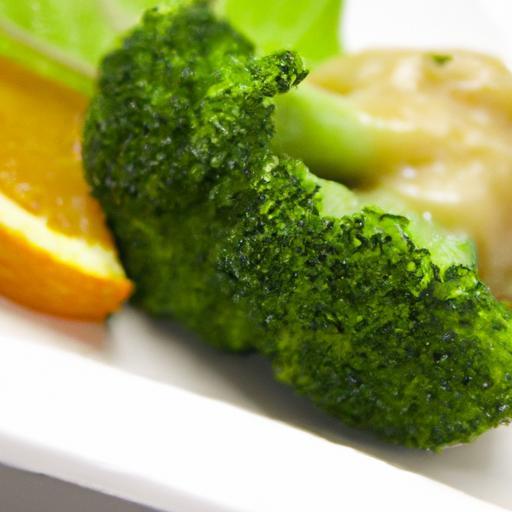
- Prepare your vegetables: Arrange broccoli, red bell pepper, and spinach in a microwave-safe glass bowl. Smaller pieces cook more evenly and retain nutrients better.
- Add water: Pour 1 tablespoon of water over the veggies to create steam within the microwave, accelerating cooking while minimizing heat exposure.
- Cover tightly: Use a microwave-safe lid or wrap the bowl with microwave-safe plastic wrap, leaving a small vent for steam to escape, ensuring gentle heat distribution.
- Microwave on high for 3-4 minutes: Check doneness at 3 minutes-vegetables should be tender but crisp. Overcooking accelerates Vitamin C degradation.
- Quickly remove and season: Add lemon juice, sea salt, and black pepper. The citrus not only enhances flavor but further boosts your Vitamin C intake.
- Drizzle olive oil (optional): Incorporate 1 teaspoon of olive oil to enhance nutrient absorption and lend a vibrant gloss to your vibrant veggies.
- Serve immediately for optimal taste and maximum nutrient retention.
Chef’s Notes
- Why microwaving? This method limits cooking time and water contact, two key factors that reduce Vitamin C loss compared to boiling.
- Vegetable selection: Choose fresh, firm vegetables for the best color, texture, and peak nutrients.
- Use minimal water: Excess water can leach Vitamin C; steam created inside the covered container is sufficient.
- Make ahead: Cooked vegetables can be stored for up to 24 hours in an airtight container but consume quickly as Vitamin C begins to degrade.
- Variation tips: Try swapping red bell pepper with kale, or add a sprinkle of chili flakes for a flavor kick without additional heat exposure.
Serving Suggestions
Serve your microwaved vegetable medley alongside grilled chicken or baked salmon for a nutrient-packed, colorful plate. Garnish with a sprinkle of toasted sesame seeds or finely chopped fresh herbs like parsley or basil. A light drizzle of balsamic reduction or a dollop of Greek yogurt-based dip pairs beautifully to elevate both flavor and presentation.

| Nutrient | Per Serving |
|---|---|
| Calories | 45 kcal |
| Protein | 3 g |
| Carbohydrates | 9 g |
| Fat | 2 g |
| Vitamin C | 75% Daily Value* |
*Percent daily values are based on a 2000-calorie diet and reflect nutrient retention optimized by microwaving.
Microwaving and Vitamin C: Smart Cooking Tips for Maximum Nutrition
Remember, microwaving and Vitamin C preservation go hand in hand because this method harnesses rapid heat with minimal exposure time, preventing the nutrient from breaking down. Compared to boiling-which can cause up to 50% loss of Vitamin C in some veggies-as emphasized by the USDA nutrition facts, microwaving is a superior choice. If you love steamed greens but want to retain more vitamins, microwaving with a splash of water and cover is your new best friend. Check out our related steaming vs microwaving nutrition comparison to dive deeper into cooking choices that best protect your body’s vitamin intake.
Q&A
Q&A: Microwaving and Vitamin C – How Heat Impacts Nutrition
Q1: Does microwaving destroy vitamin C in food?
A1: Microwaving can reduce vitamin C content, but it isn’t a nutritional villain. Since vitamin C is water-soluble and heat-sensitive, excessive heat and prolonged cooking can break it down. However, the quick cooking times typical of microwaving often help retain more vitamin C compared to longer methods like boiling.
Q2: Why is vitamin C sensitive to heat?
A2: Vitamin C, also known as ascorbic acid, is a delicate molecule that easily breaks down when exposed to heat, air, and water. Think of it like a fragile ice sculpture-in the hot kitchen environment, it slowly melts away.
Q3: How does microwaving compare to other cooking methods in preserving vitamin C?
A3: Microwaving often wins the vitamin C preservation contest. Because it cooks food rapidly and uses minimal water, it limits the time vitamin C is exposed to heat and leaching. In contrast, boiling can cause substantial nutrient loss as vitamin C seeps into the cooking water.
Q4: Can microwaving ever increase vitamin C availability?
A4: Surprisingly, yes. Microwaving helps break down plant cell walls, which can make some vitamin C more accessible for absorption. The key is moderation-short bursts of microwaving can unlock nutrients without causing excessive degradation.
Q5: What foods are most affected when microwaved in terms of vitamin C loss?
A5: Foods rich in vitamin C like broccoli, bell peppers, and spinach tend to lose some vitamin C when microwaved, especially if overcooked. To maximize retention, it’s best to microwave these vegetables with a splash of water and avoid cooking until mushy.
Q6: Any tips for preserving vitamin C while microwaving?
A6: Absolutely! Use short cooking times, cover your food to trap steam, and add minimal water. Steaming vegetables in the microwave rather than fully submerging them helps keep that precious vitamin C locked in.
Q7: Should people avoid microwaving to protect vitamin C?
A7: No need to panic! Microwaving is a convenient and efficient way to prepare food that can actually help conserve vitamin C better than other methods. Focus on cooking time and technique rather than ditching your microwave.
Q8: What’s the bottom line about heat, microwaving, and vitamin C?
A8: Heat does impact vitamin C, but microwaving-with its short, efficient bursts-often preserves more of this vital nutrient compared to traditional cooking. Embrace your microwave as a handy ally in keeping your meals nutritious and vibrant!
Concluding Remarks
In the delicate dance between heat and nutrients, microwaving emerges as both a friend and a foe to Vitamin C. While the quick, often gentle heat of the microwave can preserve more of this vital nutrient compared to traditional cooking methods, it’s still a reminder that no nutrient is entirely impervious to thermal stress. Understanding how heat impacts Vitamin C not only helps us make smarter culinary choices but also empowers us to savor our meals with a bit more nutritional wisdom. So next time you zap that bag of veggies, remember: a mindful minute in the microwave can keep your Vitamin C shining bright, fueling your body with the goodness it deserves.