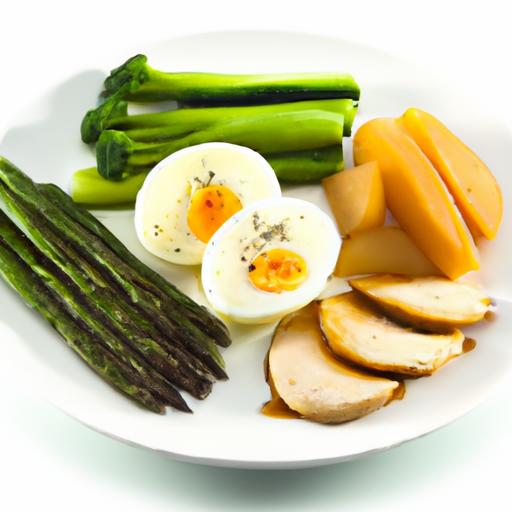

Imagine a secret power switch hidden in your daily routine-one that can amplify your energy, boost your metabolism, and supercharge muscle repair. Believe it or not, it’s not just what you eat, but when you eat it that holds the key. Protein, the powerhouse nutrient, is renowned for its role in building strength and vitality, but unlocking its full potential requires strategic timing. In this article, we’ll explore the science-backed best times to eat protein, helping you power up your day with smarter, more effective nutrition. Whether you’re a fitness fanatic, a busy professional, or simply someone looking to optimize health, get ready to transform your meals into moments of muscle magic.
Power Up Your Day: Discover the Best Times to Eat Protein by understanding the fascinating science of protein timing and how it influences your energy levels and muscle recovery. Imagine starting your morning with a vibrant, nutrient-packed breakfast that ignites your metabolism, then fueling your workouts for optimum muscle repair, and winding down in the evening with soothing protein-rich comfort to enhance sleep quality. This harmonious cycle not only supports your body’s daily demands but also elevates your culinary experience with every bite.
Prep and Cook Time
Prep: 10 minutes | Cook: 15 minutes | Total: 25 minutes
Yield
Serves 2 hearty portions
Difficulty Level
Easy
Ingredients
- 2 large eggs, free-range
- 1/2 cup quinoa, rinsed and drained
- 1 cup low-fat Greek yogurt
- 1/2 cup mixed berries (fresh or frozen)
- 1 tablespoon chia seeds
- 1/4 cup sliced almonds, toasted
- 1 tablespoon honey or maple syrup
- 1 teaspoon extra virgin olive oil
- Salt and pepper to taste
- 1 medium avocado, diced
- 100g grilled chicken breast, sliced thinly
Instructions
- Cook the quinoa: In a small saucepan, bring 1 cup of water to a boil. Add the rinsed quinoa and a pinch of salt. Reduce heat, cover, and simmer for 12 minutes or until water is absorbed and quinoa is fluffy. Set aside.
- Prepare eggs: Heat the olive oil in a non-stick pan over medium heat. Crack in the eggs and cook to your desired doneness-poached or sunny-side up works beautifully. Sprinkle with salt and pepper for a perfect finish.
- Toast almonds: In a dry skillet over low heat, toast the sliced almonds for 2-3 minutes, stirring frequently until golden and fragrant. Remove from heat to avoid burning.
- Assemble morning fuel bowl: In two bowls, layer quinoa at the base, then spoon a generous dollop of Greek yogurt. Add mixed berries and sprinkle chia seeds and toasted almonds on top. Drizzle with honey or maple syrup for natural sweetness.
- Plate for workout optimization: On a side plate, arrange sliced grilled chicken breast with diced avocado. This combo offers a perfect balance of lean protein and healthy fats to aid recovery and sustain energy.
- Serve the eggs warm alongside your bowls and plates, creating a colorful and nutrient-dense ensemble to power up your morning ritual.
Tips for Success
- Substitute quinoa with farro or bulgur for different textures while maintaining a protein boost.
- Use cage-free or organic eggs for enhanced flavor and ethical sourcing.
- Grill chicken breast with herbs like rosemary or thyme to deepen flavor without added calories.
- Prepare quinoa a day ahead for a quick breakfast; it reheats beautifully without losing texture.
- For vegan options, swap yogurt with coconut or almond-based alternatives and replace chicken with marinated tofu.
Serving Suggestions
Present your protein-rich morning plate garnished with fresh mint leaves and a lemon wedge to add brightness. Pair with a glass of freshly squeezed orange juice or green tea to further boost metabolism. This vibrant assembly not only fuels your energy but also delights the eyes-use brightly colored bowls to make the varied textures pop.
| Nutrient | Per Serving |
|---|---|
| Calories | 450 kcal |
| Protein | 38 g |
| Carbohydrates | 30 g |
| Fat | 15 g |
For further exploration on protein timing and muscle recovery, check out our in-depth discussion on Nutrition for Athletes and dive into expert insights from the National Institutes of Health.

Q&A
Q&A: Power Up Your Day – Discover the Best Times to Eat Protein
Q1: Why does the timing of protein intake matter?
A1: Timing your protein intake can supercharge your body’s ability to build muscle, boost energy, and keep you feeling full longer. Think of protein as the fuel your body needs to power up key functions throughout the day-eating it at optimal times means maximum efficiency!
Q2: When is the best time to eat protein in the morning?
A2: Early birds, rejoice! Enjoying protein within an hour of waking helps kickstart metabolism and stabilizes blood sugar levels. A protein-packed breakfast-like eggs, yogurt, or a smoothie-sets your energy on an even keel and powers your brain for the day ahead.
Q3: How important is protein after exercise?
A3: Post-workout protein is crucial! Consuming protein within 30 to 60 minutes after physical activity aids muscle recovery and growth. This “anabolic window” fuels your muscles with the amino acids they crave to repair and grow stronger.
Q4: Should protein intake be spread out during the day?
A4: Absolutely! Spacing protein evenly across meals maximizes muscle protein synthesis and keeps hunger at bay. Aim for 20-30 grams of protein every 3-4 hours to maintain consistent energy and support muscle maintenance.
Q5: Is it beneficial to eat protein before bed?
A5: Yes! A slow-digesting protein like casein before sleep can nourish your muscles overnight. It helps prevent muscle breakdown and promotes recovery, making morning workouts easier and more effective.
Q6: Can timing protein help with weight management?
A6: For sure! Eating protein at strategic times curbs cravings and boosts metabolism, helping you manage weight more effectively. Protein’s satiating power reduces snacking urges and supports fat loss while preserving lean muscle.
Q7: Are there any downsides to eating protein late at night?
A7: In most cases, no-provided it’s a moderate portion of slow-release protein. However, very large meals close to bedtime might disrupt sleep for some. Listen to your body and experiment to find the balance that works best for you.
Q8: How can I personalize my protein timing?
A8: Consider your daily schedule, activity level, and goals. If you work out in the evening, prioritize post-exercise protein. If early mornings are hectic, prep a protein-rich snack for later. Tailoring timing to your lifestyle helps you power up every day efficiently.
Harness the power of protein timing, and transform how you fuel your body. With a little strategy, your muscles, metabolism, and energy levels will thank you!
In Conclusion
As we’ve uncovered, timing your protein intake isn’t just about what you eat-it’s about when you eat it. By syncing your meals with your body’s natural rhythms and daily demands, you can maximize energy, muscle repair, and overall vitality. Whether you’re powering through a morning workout, seeking a midday boost, or winding down after a busy day, understanding the best times to consume protein empowers you to fuel your day smarter. So, next time you plan your meals, remember: it’s not just the protein that counts-it’s the power behind the clock that truly elevates your day.