
Throughout the annals of seafaring history, one relentless adversary haunted sailors on their long voyages: scurvy. This silent scourge, characterized by bleeding gums, weakness, and often death, was once a mysterious curse that decimated crews and threatened maritime exploration. Yet, woven into the fabric of this narrative is a remarkable story of discovery, perseverance, and the vital role of a humble nutrient-Vitamin C. “Sailing Through Scurvy: The Vitamin C Voyage in History” embarks on a journey beyond the waves, navigating through centuries of trial and error, scientific breakthroughs, and cultural shifts that ultimately transformed this deadly affliction into a conquerable foe. Join us as we chart a course through time, uncovering how a single vitamin changed the fate of explorers, shaped global trade, and revolutionized human health on the high seas.
Sailing Through Scurvy: The Vitamin C Voyage in History
Sailing Through Scurvy: The Vitamin C Voyage in History offers a captivating culinary journey into the ancient remedies and nutritional strategies that saved countless sailors from the dreaded scourge of scurvy. This revitalizing citrus-infused sea stew evokes the spirit of maritime innovation, blending the tangy freshness of lemon and orange with the hearty flavors of seafaring staples. As a celebration of survival through nutrition, this dish not only delights the palate but gives homage to the sailors who harnessed vitamin C’s life-sustaining power.
Prep and Cook Time
- Preparation: 20 minutes
- Cooking: 40 minutes
- Total Time: 1 hour
Yield
Serves 4 hearty portions
Difficulty Level
Medium – Perfect for home cooks seeking historical inspiration with approachable techniques
Ingredients
- 2 tbsp olive oil, for sautéing
- 1 large yellow onion, finely chopped
- 3 garlic cloves, minced
- 2 medium carrots, peeled and sliced
- 1 cup celery, diced
- 1 lb firm white fish fillets (cod, haddock, or halibut), cut into 2-inch chunks
- 1 medium potato, peeled and diced
- 2 cups vegetable or fish stock, preferably homemade or low sodium
- Juice of 1 large lemon (rich in vitamin C)
- 1 large orange, segmented and juice reserved
- 1/2 teaspoon dried thyme
- 1/2 teaspoon smoked paprika
- Salt and freshly ground black pepper, to taste
- Fresh parsley, chopped, for garnish
- Optional: 1/4 cup white wine for extra depth
Instructions
- Heat olive oil in a large heavy-bottomed pot over medium heat. Add the chopped onion and sauté until translucent, about 4 minutes.
- Add the minced garlic, carrots, and celery. Sauté until the vegetables soften, about 5 minutes, stirring occasionally to prevent sticking and encourage caramelization.
- Pour in the stock and bring to a simmer. Add the diced potato, thyme, smoked paprika, salt, and pepper. If using, add white wine now. Cook for 15 minutes or until potatoes are tender.
- Gently add the fish chunks to the simmering broth, cover, and cook for 8-10 minutes until the fish is opaque and flakes easily with a fork.
- Stir in the fresh lemon juice and reserved orange juice to infuse the stew with vibrant vitamin C and a refreshing citrus aroma.
- Remove from heat and fold in the orange segments for bursts of sweet tanginess.
- Ladle the sea stew into warm bowls and garnish generously with chopped fresh parsley before serving.
Chef’s Notes
- Vitamin C boost: To elevate the vitamin C content even further, consider adding chopped kale or bell peppers during the simmering step.
- Protein swap: Shellfish like shrimp or scallops can replace fish for a richer maritime twist.
- Lemon zest: For an aromatic lift, zest some lemon peel and sprinkle on top just before serving.
- Make-ahead tip: Prepare the base stew a day in advance and add citrus juice and fish when ready to serve for optimal freshness.
- Storage: Leftovers keep well refrigerated for 2 days; gently reheat to avoid overcooking seafood.
Serving Suggestions
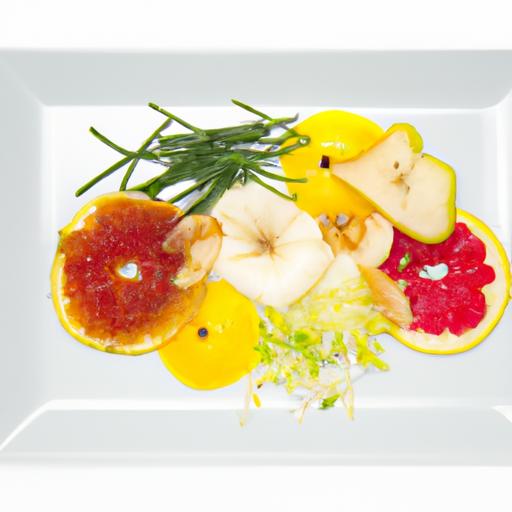
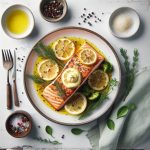
Present this sea stew alongside crusty whole-grain bread or traditional shipboard hardtack for a historically inspired meal. A driftwood platter or rustic ceramic bowls enhance the maritime atmosphere. Pair with a crisp white wine or sparkling citrus mocktail to complement the fresh flavors. Garnish with thin lemon wheels or edible flowers for a visually stunning plate that tells the story of survival through nutrient-rich cuisine.
| Nutritional Element | Per Serving |
|---|---|
| Calories | 320 kcal |
| Protein | 35 g |
| Carbohydrates | 20 g |
| Fat | 8 g |

Explore more maritime-inspired recipes in our Historic Seafood Dishes collection. For further reading on the nutritional science behind vitamin C in seafaring history, visit the National Institutes of Health.
Q&A
Q&A: Sailing Through Scurvy – The Vitamin C Voyage in History
Q1: What is scurvy, and why was it such a dreaded affliction for sailors?
A: Scurvy is a disease caused by a deficiency of vitamin C, crucial for the synthesis of collagen in our bodies. For centuries, sailors on long sea voyages suffered terribly from scurvy, experiencing symptoms like bleeding gums, joint pain, weakness, and even death. The lack of fresh fruits and vegetables during extended journeys left them vulnerable, turning ships into floating hospitals of despair.
Q2: How did scurvy shape the course of naval exploration and history?
A: Scurvy was the hidden adversary of maritime adventurers. Entire expeditions were crippled or ended prematurely because crews succumbed to this ailment. Governments and explorers learned the hard way that conquering the seas required more than just sturdy ships and brave hearts-it demanded understanding the unseen enemy of nutrition, forever changing naval medicine and provisioning.
Q3: Who first made the vital connection between vitamin C and curing scurvy?
A: In the mid-18th century, Scottish naval surgeon James Lind made a groundbreaking discovery. Through one of the earliest controlled clinical trials, he found that citrus fruits like lemons and oranges remarkably cured scurvy symptoms. This revelation brought about a turning point, transforming the fate of sailors worldwide and earning Lind the title of the “father of naval hygiene.”
Q4: Why was it difficult to incorporate citrus fruits into sailors’ diets immediately after Lind’s discovery?
A: Despite Lind’s findings, many commanders and naval bureaucrats were slow to act. Logistics, preservation challenges, and skepticism kept citrus fruits off many ships for decades. It wasn’t until the 19th century that the British Navy fully embraced lemon juice rations, leading to a dramatic decline in scurvy cases.
Q5: How did the vitamin C voyage continue beyond lime juice?
A: As science progressed, it became clear that vitamin C was the true hero behind the scenes. Beyond citrus, other sources like sauerkraut and fresh produce became valued on long voyages. Today, the legacy of that journey lives on in our understanding of nutrition, health, and the critical role of vitamins in survival.
Q6: What lessons can modern readers draw from the history of scurvy and vitamin C?
A: The saga of scurvy teaches us the power of observation, science, and persistence. It reminds us that even the most fearsome challenges can be overcome with knowledge and innovation. Above all, it’s a story about the essential link between diet, health, and human endurance-an inspiring voyage from darkness to discovery on the high seas.
Final Thoughts
As we anchor our journey through the turbulent seas of history, the saga of scurvy unveils more than just a tale of sailors and citrus-it reveals the profound impact of a single vitamin on human survival and exploration. From the despairing decks where sailors once succumbed to mysterious ailments, to the enlightened moments when vitamin C became the beacon of hope, the story of scurvy is a vivid reminder of how nutritional science can transform lives and voyages alike. As modern readers, we sail forth equipped not only with knowledge but with a deeper appreciation of the voyages that shaped our understanding of health, resilience, and the essential nutrients that keep us thriving-both on the open sea and in the journey of life.