
In the realm of timeless comfort foods, few pairings evoke the warmth of tradition quite like sauerkraut and rye bread. This dynamic duo, rooted deeply in Eastern European heritage, offers more than just flavor – it tells a story of preservation, culture, and culinary ingenuity. With sauerkraut’s tangy bite perfectly balanced by the hearty, slightly sweet notes of rye bread, each bite delivers a unique twist on classic comfort that awakens the palate and nourishes the soul. Join us as we explore how this age-old pairing continues to charm modern food lovers, blending rustic simplicity with bold, vibrant taste.
Sauerkraut & Rye Bread: A Tangy Twist to Classic Comfort
Sauerkraut & rye bread come together to create a harmonious blend of tangy, hearty flavors and a nostalgic texture that evokes the warmth of traditional European kitchens. Originating from Eastern European culinary heritage, this duo is much more than a side dish or simple snack; it’s an exploration of the art of fermentation and rustic baking that taps into centuries-old methods. Crafting the perfect tangy sauerkraut paired with dense, flavorful rye bread unlocks layers of complexity and comfort that few dishes can match.
Prep and Cook Time
- Preparation: 20 minutes (plus 7-10 days for fermentation)
- Cook/Bake: 50-60 minutes (for rye bread)
- Total Time: Approximately 1 hour active time + fermentation period
Yield
Makes approximately 1 quart of sauerkraut and one 9×5-inch loaf of rye bread; serves 6-8 people.
Difficulty Level
Medium – requiring patience for fermentation and some familiarity with bread baking techniques.
Ingredients
- For Sauerkraut:
- 1 medium green cabbage (about 3 lbs), cored and thinly sliced
- 1 tablespoon sea salt (preferably non-iodized)
- 1 teaspoon caraway seeds (optional, for added flavor)
- 1 tablespoon juniper berries (optional)
- For Rye Bread:
- 2 cups rye flour
- 1 cup bread flour
- 1 ½ cups warm water (110°F/45°C)
- 1 teaspoon instant yeast
- 1 tablespoon molasses or honey
- 1 teaspoon salt
- 2 tablespoons melted butter or olive oil
- 1 tablespoon caraway seeds
Instructions
- Prepare the Sauerkraut: In a large mixing bowl, combine the thinly sliced cabbage with sea salt. Massage vigorously for 10 minutes until the cabbage releases liquid and softens.
- Add Flavorings: Stir in caraway seeds and juniper berries if using. Pack the salted cabbage tightly into a sanitized fermentation crock or jar, pressing down to submerge it under its own brine.
- Ferment: Cover the container with a cloth or fermentation lid. Leave at room temperature (65-75°F) for 7-10 days. Check daily to ensure cabbage remains submerged, pressing down if needed. Taste increasingly develops tang over time.
- Prepare the Rye Bread Dough: In a large bowl, mix warm water with yeast and molasses. Let sit for 5 minutes until foamy.
- Add Flours and Salt: Stir in rye flour, bread flour, salt, caraway seeds, and melted butter until a sticky dough forms.
- Knead: Turn dough onto a floured surface and knead for 8-10 minutes until smooth and elastic – add a bit more bread flour if too sticky.
- Proof: Place dough in a greased bowl, cover with a damp cloth, and let rise in a warm spot for 1-1.5 hours or until doubled in size.
- Shape and Bake: Punch down dough and shape into a loaf. Place on a parchment-lined baking sheet or in a loaf pan. Let rest for 30 minutes. Preheat oven to 375°F (190°C).
- Bake: Bake the rye bread for 50-60 minutes until crusty and deep brown. Tap the bottom to check for a hollow sound, signaling doneness. Cool completely before slicing.
- Serve and Store: Serve sauerkraut chilled or room temperature alongside fresh rye slices. Store excess sauerkraut in the refrigerator for up to 4 weeks; bread can be wrapped and kept at room temperature for 3-4 days.
Tips for Success
- Fermentation: Ensure cabbage is submerged under brine to prevent mold. Using a fermentation weight or clean glass jar filled with water helps keep it submerged.
- Salt Choice: Use non-iodized salt to avoid inhibiting natural bacterial growth.
- Bread Texture: Rye flour is low in gluten; mixing with bread flour improves rise and crumb.
- Flavor Experimentation: Adjust caraway seeds or add fennel for personal twists in both the sauerkraut and bread.
- Make-ahead: Sauerkraut improves with longer fermentation, so start at least a week ahead.
Serving Suggestions
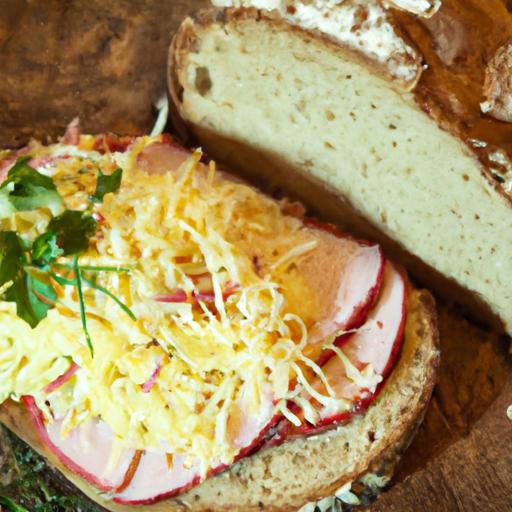
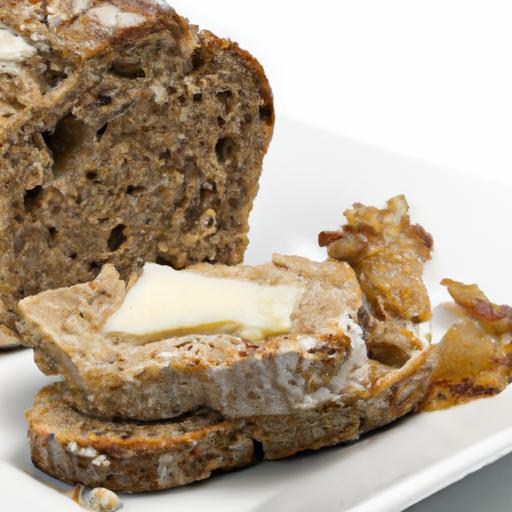
The combination of sauerkraut and rye bread shines best when plated thoughtfully. Start with thick, rustic slices of rye, toasted lightly for warmth and crunch. Spoon generous heaps of sauerkraut on the side or layer atop an open-faced sandwich with slices of smoked sausage, creamy mustard, and fresh dill. Garnish with chopped fresh herbs like parsley or chives to add freshness and color. For an indulgent twist, serve alongside melted Swiss cheese or a dollop of tangy sour cream. Perfect for picnics, casual lunches, or cozy evening meals.

Nutritional Information
| Component | Per Serving (1 slice + ¼ cup sauerkraut) |
|---|---|
| Calories | 210 kcal |
| Protein | 6 g |
| Carbohydrates | 40 g |
| Fat | 3 g |
For further exploration of traditional fermentation, visit the Cultures for Health fermentation guide. Enhance your baking repertoire by reading our article on Rustic Sourdough Baking Tips, linked internally for added kitchen inspiration.
Q&A
Q: What makes sauerkraut and rye bread a classic comfort duo?
A: Sauerkraut and rye bread each bring a rich heritage and bold flavors that complement each other perfectly. Rye bread’s dense, hearty texture provides a nutty foundation, while the sauerkraut’s tangy, fermented zing cuts through with a lively brightness. Together, they create a satisfying balance that warms both body and soul.
Q: How does the fermentation of sauerkraut enhance the flavor of rye bread?
A: Fermentation transforms cabbage into sauerkraut by introducing natural probiotics and developing complex sour notes. This tangy punch contrasts beautifully with rye bread’s deep, earthy undertones, turning a simple bite into a flavorful journey that’s both refreshing and nostalgic.
Q: Can sauerkraut and rye bread be enjoyed beyond traditional pairings?
A: Absolutely! This duo is incredibly versatile. Try adding melted cheese for a twist on the classic Reuben sandwich, or layer sauerkraut atop rye toast as a zesty base for avocado and smoked salmon. The tangy crunch can elevate soups, stews, or even grilled meats served alongside rye bread.
Q: Are there any health benefits to combining sauerkraut with rye bread?
A: Yes! Sauerkraut is rich in probiotics, supporting gut health and digestion, while rye bread offers dietary fiber and essential nutrients like magnesium and iron. Together, they create a nourishing snack or meal that not only delights your taste buds but also supports your well-being.
Q: How can one make their own sauerkraut to pair with rye bread?
A: Making sauerkraut at home is surprisingly simple: finely shred fresh cabbage, sprinkle with salt, and massage until it releases its juices. Pack the cabbage tightly into a jar, ensuring it’s submerged under its own brine, then let it ferment at room temperature for one to four weeks. This hands-on approach lets you customize acidity and crunch perfect for enjoying with rye bread.
Q: What rye bread varieties work best with sauerkraut?
A: While personal preference plays a big role, denser, coarser rye breads often stand up best to sauerkraut’s punchy acidity. Look for breads with whole rye grains or a robust sourdough base-these provide extra texture and flavor depth that complement the sauerkraut’s tang.
Q: Why should modern palates revisit this classic combination?
A: In a world of complex culinary inventions, the simple duo of sauerkraut and rye bread reminds us that comfort food can be both timeless and adventurous. Its interplay of tangy and hearty invites rediscovery, offering a delicious, wholesome way to reconnect with tradition while savoring bold flavor.
Wrapping Up
As the tangy zest of sauerkraut meets the hearty warmth of rye bread, we rediscover a timeless duo that elevates comfort food to an art form. This pairing not only tantalizes the taste buds but also carries a rich heritage of tradition and nutrition, reminding us that simple ingredients can create extraordinary experiences. Whether you’re savoring a rustic sandwich or adding a fermented spark to your meal, sauerkraut and rye bread invite you to enjoy a deliciously bold twist on classic comfort-one bite at a time. So go ahead, embrace the tang, and let your palate savor the story behind every flavorful crumb.