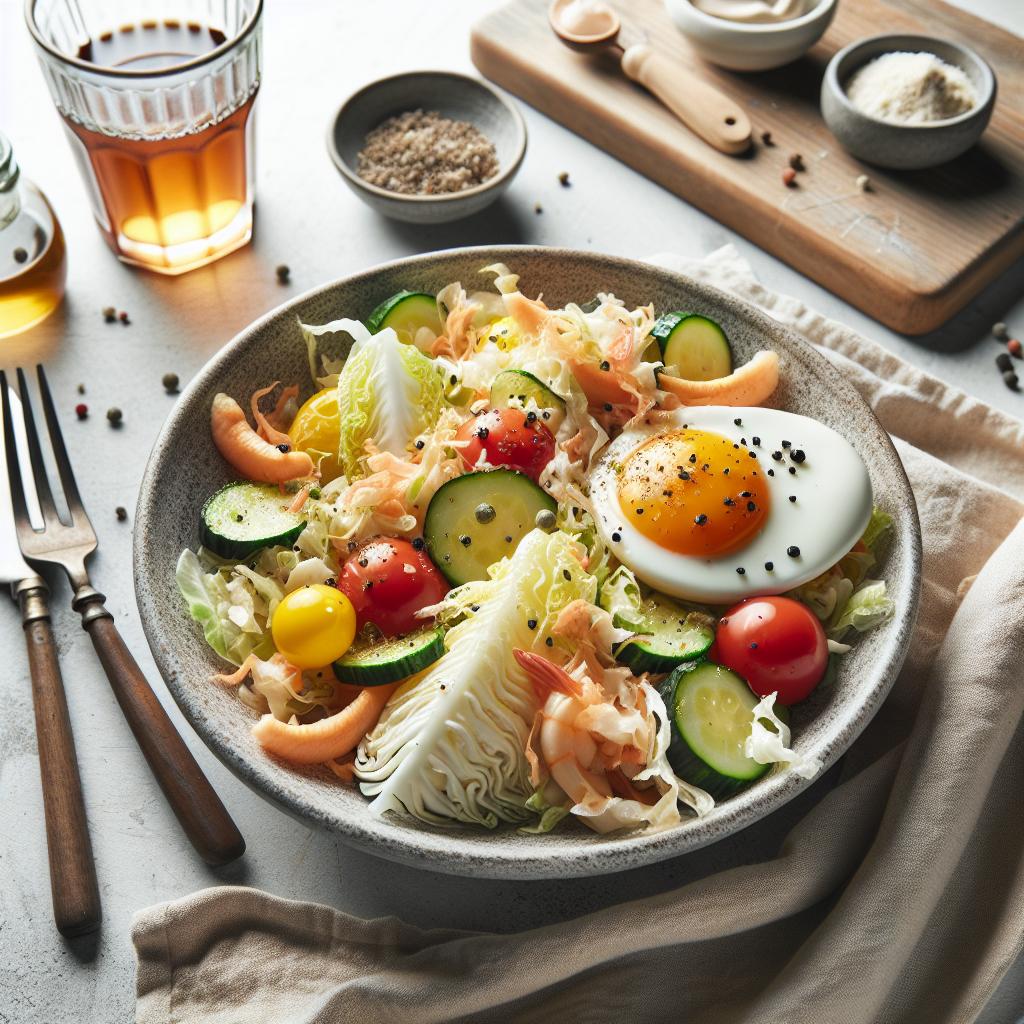

Beneath the humble, crunchy leaves of sauerkraut lies a world rich with history, mystery, and a vivid dance of microbes that transforms simple cabbage into a tangy culinary treasure. Welcome to the enchanting realm of fermentation, where age-old tradition meets modern science in a flavorful symphony. In this exploration of “Sauerkraut Secrets: The Art and Science of Fermentation,” we peel back the layers of this ancient craft, unveiling not only the techniques that yield that perfect balance of sour and crisp but also the fascinating microbiological alchemy that makes sauerkraut a nutritional powerhouse. Whether you’re a curious foodie, a kitchen experimenter, or a fermentation fanatic, join us as we decode the secrets that have turned cabbage into one of the world’s most beloved fermented foods.
Sauerkraut Secrets: The Art and Science of Fermentation
Sauerkraut Secrets unlock a fascinating blend of culinary tradition and microbiological magic. Originating from Europe, this timeless recipe transforms humble cabbage into a tangy, crunchy masterpiece through natural fermentation-a process as much about understanding microorganisms as it is about flavor. Harnessing the power of carefully selected ingredients and a controlled environment, you can create sauerkraut bursting with complex taste and healthful benefits right in your kitchen.
Prep and Cook Time
- Preparation: 30 minutes
- Fermentation: 7 to 21 days (depending on ambient temperature and desired tanginess)
Yield
- Approximately 1 quart (4 servings)
Difficulty Level
- Medium – Requires patience and attention to fermentation conditions
Ingredients
- 2 medium heads green cabbage (about 4 lbs), core removed and thinly sliced
- 1 tablespoon sea salt (preferably non-iodized, such as kosher or pickling salt)
- 1 teaspoon caraway seeds (optional, adds warmth and complexity)
- Filtered water (if needed, to help submerge the cabbage)
Understanding the Microbial Symphony Behind Sauerkraut Fermentation
The essence of Sauerkraut Secrets lies in its fascinating microbial ensemble, dominated by lactic acid bacteria, chiefly Lactobacillus species. These tiny artisans convert cabbage’s natural sugars into lactic acid, which preserves the cabbage and imparts that signature tangy depth. The interplay starts when you add sea salt, drawing out moisture and creating a brine – a vital environment that invites beneficial microbes to flourish while suppressing harmful bacteria. This biological symphony unfolds gradually; ~you’ll notice the aroma turning from fresh cabbage to pleasantly sour as the fermentation phases move from initial heterofermentative to homofermentative stages.
Choosing fresh, unwaxed cabbage ensures the presence of native microbes, while salt calibration influences the pace – high salt slows fermentation but preserves crunch, low salt quickens it but risks spoilage.
Selecting the Perfect Cabbage and Ingredients for Optimal Flavor
When crafting your sauerkraut, the foundation is unmistakably the cabbage. Opt for dense, firm heads with pale green leaves and minimal blemishes – these hold natural sugars essential for fermentation. Organic cabbage is preferable due to reduced pesticide residues that could impede microbial activity. For elevated flavor notes, adding a touch of caraway seeds creates an aromatic edge that complements the lactic tang. Remember to discard the outermost leaves if bruised but reserve a few intact leaves for the fermentation cover, which helps keep cabbage submerged.
Using non-iodized salt is critical since iodine can hinder the fermentation process by killing beneficial bacteria. If needed, filtered water can be used to top off the brine and keep the cabbage submerged underwater, ensuring an anaerobic environment where the lactic acid bacteria thrive.
Mastering the Fermentation Environment: Temperature, Time, and Texture
Temperature is the captain of your fermented ship. Aim for a consistent range between 65°F and 72°F (18°C-22°C) for ideal microbial activity. Warmer environments accelerate fermentation but risk mushiness; cooler slows fermentation and deepens flavor complexity.
Fermentation time is a balance between patience and sensory cues – begin tasting around day 7. At first, the cabbage will retain crispness with bright acidity; extended fermentation mellows sharpness, developing a softer bite and deeper umami.
Crucially, keep the cabbage submerged beneath its brine throughout, using weights or a ferment lid. This oxygen-excluding barrier preserves beneficial anaerobic bacteria and prevents mold.
For vendors or home fermenters alike, regular checking without disturbing the crock too often ensures your sauerkraut’s texture stays vibrant and your flavor profile evolves beautifully.
Unlocking Sauerkraut’s Health Benefits Through Proper Fermentation Techniques
Fermentation not only tantalizes the palate but also bestows your sauerkraut with a powerful probiotic punch. The lactic acid bacteria created during the process bolster gut health, enhance digestion, and support the immune system. Ensuring properly salted and submerged conditions fosters the growth of these beneficial microbes instead of pathogens.
When sauerkraut secrets are respected, the resulting product is teeming with diverse probiotic strains, enzymes, and vitamins like vitamin C and K2. Avoid cooked sauerkraut to preserve these live microorganisms-serve your creation raw or gently warmed to maintain its optimal health potential.
Instructions
- Prepare the cabbage: Remove the outer leaves, then finely shred the cabbage using a sharp knife or mandoline.
- Mix cabbage and salt: In a large bowl, sprinkle the sea salt evenly over cabbage and massage vigorously for 8-10 minutes. The cabbage will soften and release its juice, forming a natural brine.
- Add caraway seeds: Mix in optional caraway seeds evenly for an aromatic note.
- Pack the jar: Tightly pack the cabbage mixture into a sterilized fermentation jar or crock, pressing down with a tamper or rolling pin to eliminate air pockets.
- Create the brine seal: Use a reserved whole cabbage leaf to cover the top, then place a fermentation weight or clean stone to keep all cabbage submerged under the brine.
- Cover and ferment: Cover the jar with a cloth or airlock lid and store in a cool, dark place at 65-72°F. Taste daily after day 7 to monitor flavor development.
- Storage: Once desired tanginess and texture are reached (usually between 14 to 21 days), seal the jar with a lid and refrigerate.
Tips for Success
- Use a scale: Measure cabbage and salt ratio at 2% salt by weight for consistency.
- Maintain cleanliness: Sterilize jars and tools to reduce unwanted microbial contamination.
- Prevent mold: Ensure all cabbage stays submerged under brine; skim any surface scum promptly.
- Try variations: Add grated carrots, juniper berries, or ginger to customize your sauerkraut’s flavor.
- Patience pays: Fermentation times will vary seasonally; don’t rush the process for best probiotic results.
Serving Suggestions
Enjoy your homemade sauerkraut as a zesty topping for hearty sausages, sliced apples, or creamy potato salads. Garnish with fresh dill or chives for a vibrant touch. It pairs beautifully alongside tangy mustards and rye breads and can be folded into slaws or soups for layers of fermented complexity. Serve chilled or at room temperature to savor the full spectrum of its crisp texture and probiotic tang.

| Nutrition | Per Serving |
|---|---|
| Calories | 27 kcal |
| Protein | 1 g |
| Carbohydrates | 6 g |
| Fat | 0 g |
For a deeper dive into traditional fermentation techniques, explore our Fermentation 101 Guide or visit the [National Center for Biotechnology Information](https://www.ncbi.nlm.nih.gov/pmc/articles/PMC3257636/) for authoritative scientific insights on lactic acid bacteria.
Q&A
Q&A: Sauerkraut Secrets – The Art and Science of Fermentation
Q1: What exactly is sauerkraut, and why has it captivated food lovers for centuries?
A1: Sauerkraut, literally “sour cabbage” in German, is a tangy, fermented cabbage dish that dates back thousands of years. It’s a perfect marriage of art and science-transforming humble cabbage with just salt and time into a probiotic-rich, flavor-packed treasure. Its longevity in global cuisines speaks to its delicious depth and gut-friendly benefits.
Q2: How does fermentation work, and what magic happens inside that jar?
A2: Fermentation is nature’s tiny kitchen where good bacteria-primarily Lactobacillus species-dine on sugars in the cabbage. They produce lactic acid, which sours the cabbage and creates a natural preservative environment. This not only intensifies flavor but also boosts digestibility and nutrition. Think of it as a microscopic symphony turning raw veg into a probiotic powerhouse.
Q3: What are the secrets to making perfect sauerkraut at home?
A3: The artful secrets include choosing fresh, crisp cabbage; using the right amount of salt-about 2% of the cabbage’s weight-to encourage good bacteria and keep out bad; and ensuring the cabbage stays submerged in its brine to avoid mold. Patience is golden here-fermentation takes 1 to 4 weeks depending on temperature and your personal tartness preference.
Q4: Can I experiment with sauerkraut beyond just cabbage?
A4: Absolutely! While traditional sauerkraut is cabbage-based, adventurous fermenters can introduce carrots, beets, juniper berries, or even spicy peppers to tailor flavor profiles. The key is balancing moisture and salt so the fermentation thrives and harmful microbes stay at bay. Your jar can become an evolving canvas of tastes and textures.
Q5: Why is sauerkraut considered a health superstar?
A5: Beyond its vibrant crunch and tang, sauerkraut bursts with probiotics that support gut health and immunity. The lactic acid bacteria help balance your microbiome, aid digestion, and can even enhance nutrient absorption. Plus, it’s packed with vitamin C and fiber-a naturally fermented superfood with a deep historical pedigree.
Q6: Are there common pitfalls beginners should watch out for?
A6: Definitely! The most common hiccups include not salting enough, which can invite spoilage; letting cabbage float above the brine, allowing mold to grow; and rushing the process before the flavors mature. But fear not-good hygiene, correct salt ratio, and patience are your trusty allies. With just a little care, your sauerkraut will transform into a probiotic delight.
Q7: How has sauerkraut influenced cultures around the world?
A7: From the hearty tables of Eastern Europe to modern gastronomy, sauerkraut has been a staple of preservation and flavor. It was a sailor’s lifesaver packed with vitamin C to ward off scurvy, and today it appears in everything from traditional German sausages to Korean kimchi’s distant cousin status. It’s a global story of survival, science, and savory enjoyment.
Q8: What’s the best way to enjoy sauerkraut?
A8: The answer is deliciously flexible! Enjoy it straight from the jar as a probiotic snack, add it to sandwiches or salads for zing and crunch, toss it with roasted meats or root vegetables, or mix it into stews for depth. Its versatility is part of what makes sauerkraut an enduring kitchen gem.
Dive into the world of sauerkraut and you’ll uncover a living legacy-a blend of tradition, science, and sensory delight that turns simple cabbage into fermented gold!
Wrapping Up
As the tangy aroma of sauerkraut fills the air, we realize that this humble cabbage holds a world of secrets beneath its crisp folds. The art of fermentation is more than just preservation-it is a transformative dance of microbes and time, where science meets tradition in a jar. Whether you’re a curious kitchen alchemist or a seasoned fermenter, understanding the intricate balance of ingredients, environment, and patience unlocks sauerkraut’s true potential. So next time you savor that zesty bite, remember: you’re tasting centuries of wisdom and microbial magic, a living testament to the power of fermentation’s quiet, delicious alchemy.