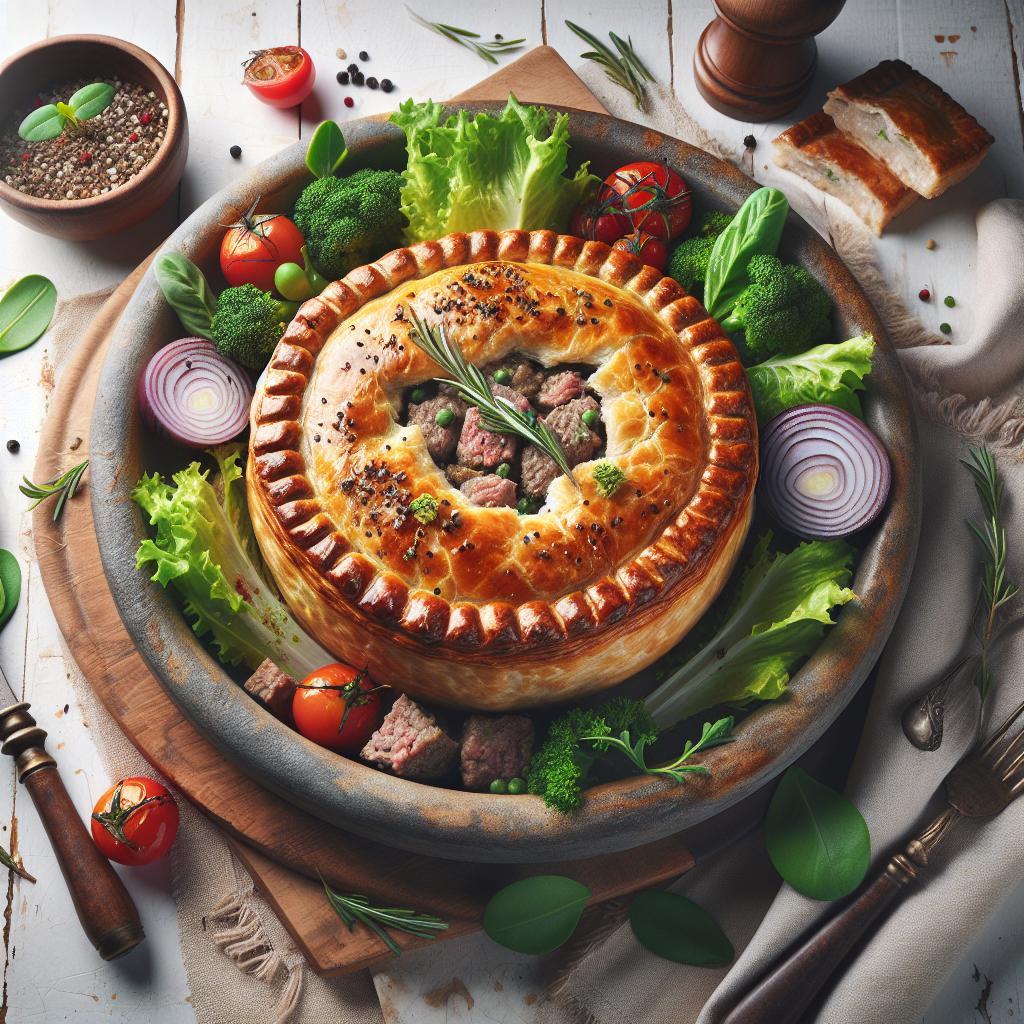

Step back in time and let your taste buds embark on a flavorful journey through the centuries. The medieval meat pie, a culinary cornerstone of the Middle Ages, offers more than just a meal-it’s a savory story pressed between golden, flaky crusts. In this article, we’ll unravel the rich history behind this hearty dish and guide you through the art of crafting an authentic medieval meat pie, using traditional ingredients and techniques that transport you straight to a bustling medieval kitchen. Prepare to savor history, one bite at a time.
Savor History: How to Craft an Authentic Medieval Meat Pie
Savor history from the very first bite as you bring to life a medieval meat pie steeped in tradition and rich flavors. This iconic dish, beloved in medieval Europe, marries robust, hearty fillings with a rustic, golden crust that tells stories of ancient feasts and time-honored cooking methods. Crafting this savory pie is an invitation to step back in time, to experience culinary methods passed through generations, enhanced today with accessible ingredients and timeless techniques. Imagine the savory aroma of spiced meats mingling with fresh herbs and earthy roots wafting through your kitchen-a feast fit for royalty or a humble villager alike.
Prep and Cook Time
- Preparation: 40 minutes
- Cooking: 1 hour 20 minutes
- Total: 2 hours
Yield
Serves 6 hearty portions
Difficulty Level
Intermediate – Requires some experience with pastry making and layering complex flavors
Ingredients
- For the Pastry:
- 2 ½ cups all-purpose flour, sifted
- 1 tsp salt
- ½ tsp ground mace or nutmeg (optional, for medieval authenticity)
- 1 cup cold unsalted butter, diced
- ⅓ cup cold water, adjusted as needed
- 1 large egg, beaten (for egg wash)
- For the Filling:
- 1 lb ground beef or lamb (preferably grass-fed, for authentic taste)
- ½ lb pork shoulder, finely diced
- 1 medium onion, finely chopped
- 2 cloves garlic, minced
- 1 small carrot, diced
- 1 stalk celery, diced
- 1 tsp ground black pepper
- 1 tsp dried thyme
- ½ tsp ground cinnamon
- 1 tbsp red wine vinegar or verjuice (medieval substitute for acidity)
- Salt to taste
- 2 tbsp olive oil or rendered lard
- ½ cup beef stock
- 2 tbsp chopped fresh parsley
Instructions
- Make the Pastry: In a large bowl, combine flour, salt, and ground mace. Cut in the cold butter using a pastry cutter or fingertips until the mixture resembles coarse crumbs. Gradually add cold water, mixing gently until the dough just comes together. Avoid overworking.
- Form the dough into a flat disc, wrap in plastic, and chill in the refrigerator for at least 30 minutes to relax the gluten and ensure easy rolling.
- Prepare the Filling: Heat olive oil or rendered lard in a large skillet over medium heat. Add onions, garlic, carrots, and celery, sautéing until softened and fragrant (about 5-7 minutes).
- Add the ground beef and diced pork shoulder, breaking up the meat with a spoon. Cook until browned throughout, about 10 minutes.
- Stir in black pepper, thyme, cinnamon, and salt. Pour in red wine vinegar and beef stock, simmer gently until the mixture thickens slightly, about 10 minutes. Remove from heat, then fold in fresh parsley. Let the filling cool to room temperature.
- Assemble the Pie: Preheat oven to 375°F (190°C). On a floured surface, roll out two-thirds of the dough to line a 9-inch deep-dish pie pan, ensuring some dough overhang.
- Fill with the cooled meat mixture, pressing gently to even out.
- Roll out the remaining dough for the top crust. Trim and crimp edges together securely, then brush the surface with beaten egg for a lustrous finish. Cut small slits in the top crust to release steam during baking.
- Bake: Place the pie on a baking sheet to catch any drips. Bake for 1 hour 15 minutes or until the crust is deep golden brown and the filling bubbles through the vents.
- Remove from the oven and allow to cool for 15 minutes before slicing to set the filling and enhance flavor melding.
Chef’s Notes and Tips for Success
- Use cold butter and minimal water when making the pastry to ensure a flaky, tender crust.
- Adding a pinch of ground mace or nutmeg in the dough replicates authentic medieval seasoning, but you may omit if unavailable.
- For a richer filling, substitute pork shoulder fat for olive oil but render it slowly to avoid greasiness.
- Make ahead: Prepare the filling and dough up to 24 hours in advance; keep refrigerated separately and assemble before baking.
- If you desire a more aromatic crust, brush with honey-warm water mixture instead of egg for a softer glaze.
- For a vegetarian version, substitute meat with a medley of mushrooms, root vegetables, and pulses, seasoned with similar herbs and spices.
Serving Suggestions
Slice the pie into generous wedges and serve warm on rustic wooden plates for an evocative medieval feel. Garnish with fresh thyme sprigs and a dollop of spiced apple chutney or mustard on the side to enhance the robust flavors. Pair with a hearty ale, mead, or a glass of dry red wine to truly capture the essence of a grand medieval feast. For a complementary side, roasted root vegetables or a simple green bean salad provide balance without overshadowing the pie’s rich filling.
| Nutritional Information (per serving) | Amount |
|---|---|
| Calories | 480 kcal |
| Protein | 35 g |
| Carbohydrates | 30 g |
| Fat | 25 g |

To explore more historic recipes and delve deeper into the art of traditional cooking, check out our Historic Baking Techniques guide. For detailed historical references on medieval cuisine, visit the British Library’s Medieval Food Archive.
Q&A
Q&A: Savor History – How to Craft an Authentic Medieval Meat Pie
Q1: What makes a medieval meat pie different from the pies we eat today?
A1: Medieval meat pies are a savory voyage through time! Unlike modern pies with flaky, buttery crusts and neatly trimmed edges, medieval pies often featured thick, sturdy crusts called “coffyns” that acted more like edible containers. These crusts weren’t always meant to be eaten, but rather to protect and preserve the filling, which was a robust mix of meats, spices, and sometimes dried fruits. The flavors were bold and spiced, reflecting the rich trade routes and culinary experiments of the medieval era.
Q2: Which meats were commonly used in medieval pies?
A2: Poultry, pork, beef, and game such as venison or rabbit were all fair game! Medieval cooks used a diverse meat palette depending on availability and status. Mixing several types in one pie-like beef and pork together-was common, creating a symphony of hearty flavors. Sometimes, offal and trimmings found their way in, ensuring nothing went to waste.
Q3: How important were spices in medieval meat pies?
A3: Spices were the medieval chef’s magic wand. Cinnamon, cloves, nutmeg, and ginger traveled long distances and were prized commodities. Adding these to meat pies didn’t just enhance flavor; it showcased wealth and sophistication. Sweet and savory mingled seamlessly, giving medieval pies an exotic, complex character that modern palates might find surprising yet delightful.
Q4: What kind of crust should one use to stay authentic?
A4: For authenticity, use a sturdy hot-water crust pastry or a dense dough made from flour and fat, designed to hold up under heavy fillings and long cooking times. Medieval pies sometimes had crusts so thick they were inedible, acting more as a cooking pot. Today, you might want to bake a bit thinner but still aim for a firm structure to capture the historical experience.
Q5: Are there any special cooking techniques or tips for medieval pies?
A5: Yes! Slow cooking was key-the pie was baked gently, allowing spices and meat to meld perfectly. Seal the crust tightly to trap juices and aromas. Some medieval recipes also recommend pre-cooking meats to ensure tenderness. Don’t be afraid to layer flavors by adding nuts, dried fruits like raisins or prunes, and even a splash of vinegar or wine for acidity.
Q6: Can I add vegetables or modern twists to my medieval pie?
A6: While medieval pies focused heavily on meat, vegetables sometimes made an appearance, especially in peasant versions. Carrots, onions, and leeks could be included. If you want a modern twist, feel free to experiment with herbs or substitute a few ingredients, but keeping the concept of rich, spiced meat and a sturdy crust will maintain the medieval essence.
Q7: Why should we bother crafting medieval meat pies today?
A7: Crafting a medieval meat pie is like holding history in your hands-each bite connects you to centuries-old traditions, trade routes, and festive feasts. It’s an edible time machine that enriches our understanding of culinary evolution and brings a delicious dose of the past to our present tables. Plus, it’s a fun and flavorful challenge for adventurous home cooks!
Embrace the past and bake your own slice of history, where spice meets tradition and every pie tells a story. Bon appétit, medieval style!
The Conclusion
As you take your final bite of this hearty creation, you’re not just savoring flavors-you’re tasting centuries of tradition, a culinary snapshot of medieval life. Crafting an authentic medieval meat pie is more than following a recipe; it’s an invitation to step back in time, to experience the rustic charm and resourcefulness of an era where every ingredient told a story. So next time you gather your spices, prepare your crust, and fill your pie, remember: you’re not just cooking-you’re bridging centuries, one delicious slice at a time. Here’s to history on your plate, and to the timeless joy of food that connects us all.