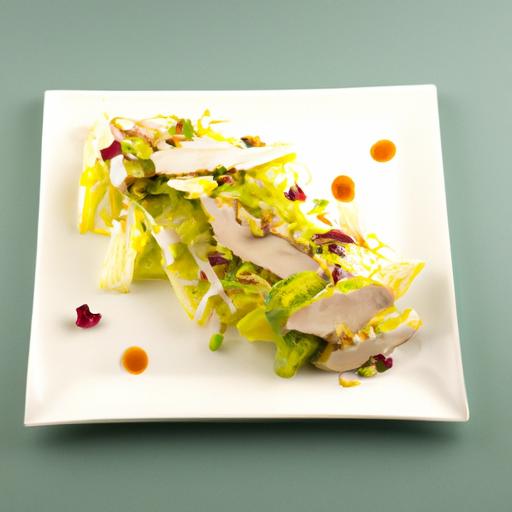

In a world brimming with stress, deadlines, and constant stimulation, our relationship with food often becomes less about nourishment and more about comfort. Emotional eating-a silent, sneaky saboteur-creeps into our lives when we’re seeking solace, celebration, or simply a momentary escape. But what if you could break free from this cycle? What if cravings no longer controlled your choices, but you did? Welcome to “Taming Cravings: Your Guide to Ending Emotional Eating Now,” where we unravel the mysteries behind those impulsive bites and equip you with the tools to reclaim your plate-and your peace of mind. This isn’t just another diet; it’s a journey to understanding the emotional signals behind your hunger and mastering them with mindfulness, compassion, and practical strategies. Get ready to transform the way you eat, feel, and live.
Taming Cravings: Your Guide to Ending Emotional Eating Now
Taming cravings often begins with understanding the subtle cues that lead us to reach for comfort foods, especially during emotionally challenging moments. This recipe-inspired approach blends the wisdom of mindful eating with practical strategies designed to help you break free from craving cycles, turning your relationship with food into a nourishing and joyful experience.
Prep and Cook Time
- Prep Time: 10 minutes
- Cook Time: 0 minutes (no cooking required)
- Total Time: 10 minutes
Yield
- Serves 2 as a mindful snack or starter exercise
Difficulty Level
- Easy – Ideal for beginners on the journey to balanced eating
Ingredients
- 1 small apple, thinly sliced for crisp, natural sweetness
- 2 tbsp natural almond butter for healthy fats and protein
- 1 tsp chia seeds for added fiber and texture
- A pinch of cinnamon to add warmth and reduce sugar cravings
- Optional: 1 tsp honey for gentle sweetness
- Plain glass of water to sip alongside for hydration and satiety
Instructions
- Prepare your apple slices. Wash and thinly slice the apple, arranging the slices neatly on a small plate.
- Spread almond butter. Using a small spoon or butter knife, spread a thin layer of almond butter evenly over each slice to add creaminess and protein.
- Sprinkle chia seeds. Lightly sprinkle chia seeds over the almond butter to introduce a subtle crunch and fiber boost.
- Add cinnamon. Dust the top of each slice lightly with cinnamon – this natural spice helps reduce sugar cravings and adds a comforting aroma.
- Optional drizzle. For a slightly sweeter touch, drizzle a small amount of honey over the prepared slices.
- Mindful eating cue. Before tasting, take a moment to sip water and breathe deeply. Notice how your body feels and observe your hunger cues.
- Eat slowly. Take one slice at a time and savor each bite mindfully – focus on the textures, flavors, and sensations without rushing.
Tips for Success
- Customize the nut butter: Swap almond butter for cashew or sunflower seed butter if allergies or preferences arise.
- Elevate fiber intake: Substitute apple slices with pear or crunchy carrot sticks for variation.
- Practice patience: Savor each bite over several minutes to create a satisfying experience that encourages awareness.
- Keep water nearby: Drinking water before and during the snack can help distinguish between actual hunger and emotional cravings.
- Make it a ritual: Use this snack as a regular ‘pause’ during moments of emotional unrest to interrupt craving cycles.
Serving Suggestions
Present the apple slices arranged in a fan shape on a small, beautiful plate. Garnish with a sprig of fresh mint or edible flowers to heighten visual appeal. Serve alongside a warm cup of herbal tea like chamomile or lavender to amplify relaxation and mindful presence during your mindful eating practice.
| Nutrition | Per Serving |
|---|---|
| Calories | 150 kcal |
| Protein | 4 g |
| Carbohydrates | 18 g |
| Fat | 8 g |
Explore more tips on mindful eating for busy lifestyles.
For expert insights on emotional eating, see this study by American Psychological Association.

Q&A
Q&A: Taming Cravings – Your Guide to Ending Emotional Eating Now
Q1: What exactly is emotional eating?
A: Emotional eating is when we turn to food-not hunger-for comfort, stress relief, or distraction. Instead of nourishing our bodies, we use eating as a way to cope with feelings like sadness, boredom, anxiety, or loneliness.
Q2: Why do cravings feel so powerful during emotional eating?
A: Cravings are your brain’s way of seeking a quick emotional fix. Foods high in sugar, fat, or salt trigger a dopamine release-the “feel-good” chemical-that momentarily soothes emotional pain, creating a cycle that’s hard to break.
Q3: How can I tell the difference between physical hunger and emotional hunger?
A: Physical hunger builds gradually and can be satisfied with a variety of foods. Emotional hunger strikes suddenly, often craving specific comfort foods, and usually isn’t satisfied even after eating.
Q4: What are simple first steps to stop emotional eating?
A: Start by tuning into your feelings. When a craving hits, pause and ask yourself: “Am I really hungry or am I feeling something else?” Try distracting yourself with a walk, journaling, or deep breathing before reaching for food.
Q5: Are there healthier ways to cope with emotions besides eating?
A: Absolutely! Exercise, connecting with friends, practicing mindfulness or meditation, engaging in creative hobbies, or even talking to a therapist can provide healthier outlets for emotional stress.
Q6: Can planning my meals help prevent emotional eating?
A: Yes! Regular, balanced meals keep blood sugar steady and reduce impulsive cravings. When you’re physically satisfied, it’s easier to resist the urge to eat out of emotion.
Q7: When should I seek professional help for emotional eating?
A: If emotional eating feels out of control, causes guilt or shame, or leads to significant weight or health problems, consulting a psychologist or nutritionist can offer tailored strategies and support.
Q8: How long does it take to overcome emotional eating habits?
A: Changing habits is a journey, not a race. With patience, awareness, and consistent practice of new coping tools, many people begin noticing positive shifts within weeks to months.
Q9: Any tips to keep motivation strong on this journey?
A: Celebrate small victories, be kind to yourself on tough days, and remember that self-care isn’t selfish-it’s essential. Surrounding yourself with supportive people and reminding yourself of your “why” can keep you inspired.
Emotional eating may seem like a tug-of-war with your cravings, but with insight and mindful strategies, you can reclaim control-one conscious choice at a time.
Key Takeaways
In the journey to tame cravings and reclaim control over your relationship with food, remember that emotional eating is not a foe to defeat overnight but a signal to understand and respond to with compassion. By tuning into your inner needs, cultivating mindful habits, and building a toolkit of healthy coping strategies, you’re not just ending cravings-you’re beginning a new chapter of self-awareness and balance. Let this guide be your stepping stone to lasting change, where food becomes nourishment for your body and soul, not a refuge from your emotions. The path to freedom is yours to walk-one mindful choice at a time.