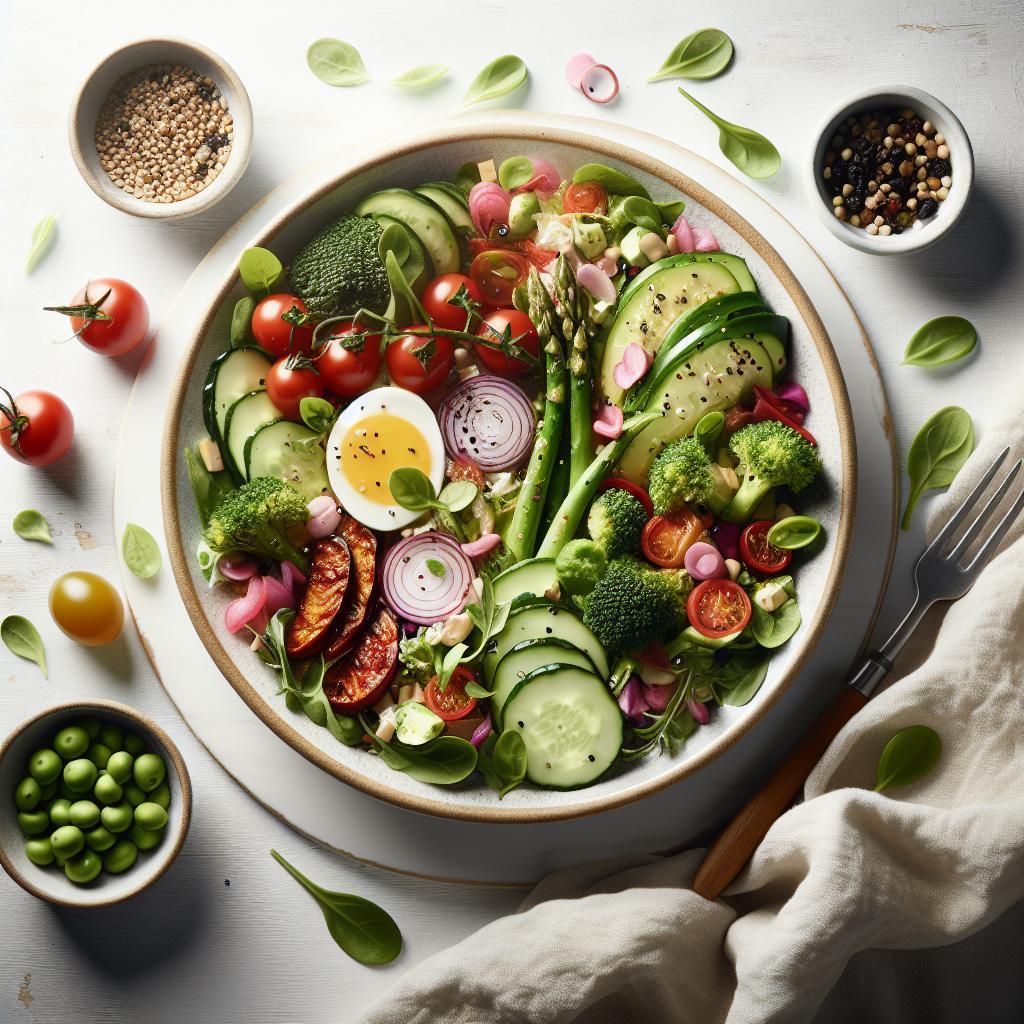

In the quest for wellness, what we eat during recovery is as crucial as the rest we take to heal. Yet, beneath the vibrant kale salads and antioxidant-packed smoothies lies an inconvenient truth: nourishing your body during recovery often comes with a hefty price tag. This high cost of healing turns what should be a soothing and restorative practice into a financial burden for many. In this article, we unravel the reasons why healthy recovery foods are so expensive, exploring the economic and logistical forces that drive up prices-and why investing in your health sometimes means spending more than you expect.
Balancing Act: Crafting Wholesome Healing Bowls Without Breaking the Bank
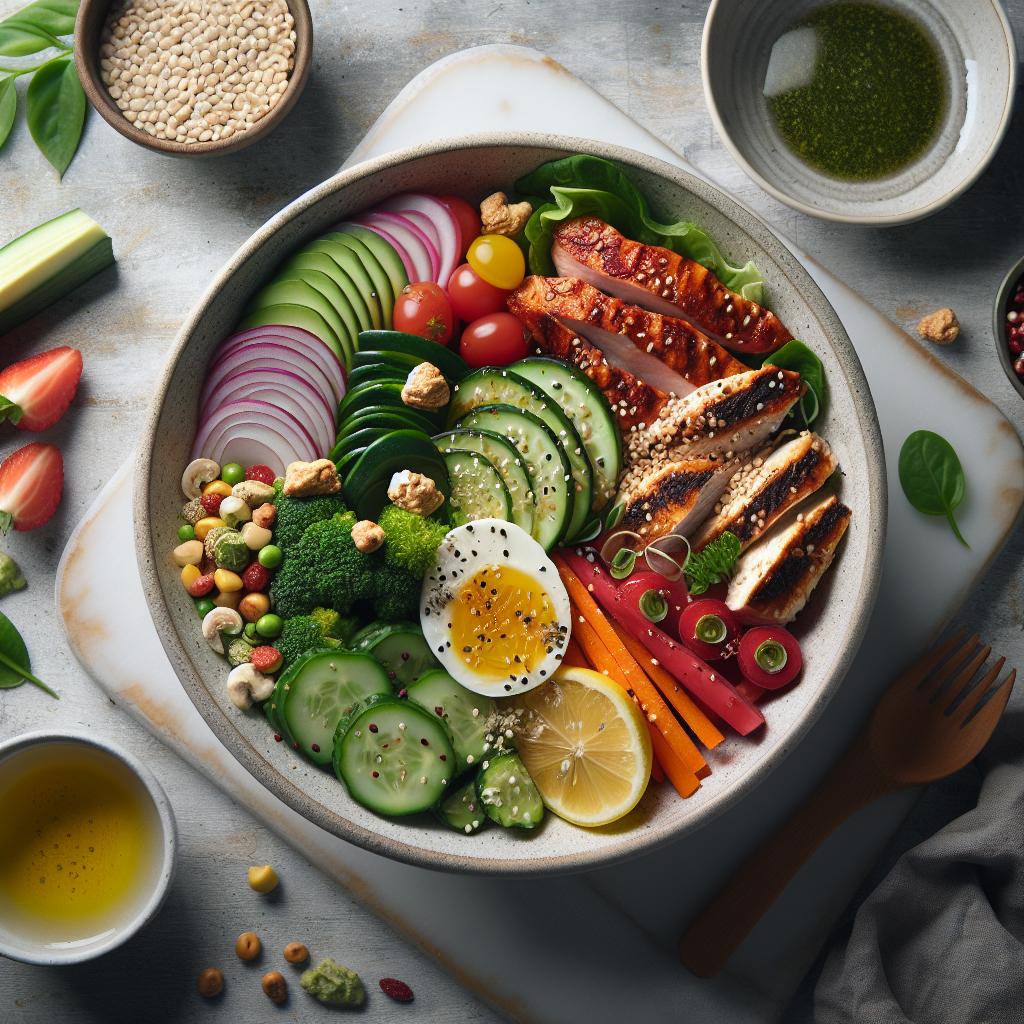
The High Cost of Healing often deters many from embracing nutrient-dense ingredients, yet with thoughtful planning, you can enjoy vibrant, restorative meals that honor both your health and your wallet. Inspired by traditional healing bowls from global wellness cuisines, this recipe is a celebration of affordable superfoods combined thoughtfully for maximum nourishment and flavor. Each vibrant spoonful reflects the care you invest in your recovery, proving that wellness doesn’t have to come with a hefty price tag.
Prep and Cook Time
Prep Time: 15 minutes | Cook Time: 25 minutes | Total Time: 40 minutes
Yield
Serves 4 nourishing portions
Difficulty Level
Medium – approachable for cooks familiar with basic meal prep and seasoning balance
Ingredients
- 1 cup cooked quinoa, rinsed well
- 1 medium sweet potato, peeled and diced
- 2 cups kale, chopped and stems removed
- 1 cup canned chickpeas, drained and rinsed
- 2 tbsp extra virgin olive oil
- 1 tbsp ground turmeric
- 1 tsp cumin powder
- 1 tsp smoked paprika
- 1 garlic clove, minced
- Juice of 1 lemon
- 1 avocado, sliced
- 2 tbsp pumpkin seeds, toasted
- Salt and freshly cracked black pepper, to taste
Instructions
- Preheat your oven to 400°F (200°C). Toss the diced sweet potato with 1 tbsp olive oil, turmeric, cumin, smoked paprika, salt, and pepper. Spread evenly on a baking sheet and roast for 20-25 minutes, turning halfway until tender and slightly caramelized.
- While the sweet potatoes roast, heat the remaining olive oil in a large skillet over medium heat. Add the minced garlic and chopped kale, sautéing until the kale softens but remains vibrant green-about 3-4 minutes. Season lightly with salt.
- In a small bowl, combine the cooked quinoa and rinsed chickpeas. Add the lemon juice and adjust seasoning with salt and pepper.
- To assemble, divide the quinoa and chickpea mixture evenly into four bowls. Top each with a generous portion of roasted sweet potato and sautéed kale.
- Garnish with sliced avocado and a sprinkle of toasted pumpkin seeds for added texture and healthy fats.
- Serve warm or at room temperature. A drizzle of extra lemon juice or a dollop of plain yogurt can enhance creaminess if desired.
Tips for Success
- Substitutions: Swap sweet potato with butternut squash or carrots for seasonal flexibility.
- Batch Cooking: Prepare quinoa and roast veggies ahead to streamline your weekday recovery meals.
- Boost Protein: Add grilled chicken or tofu cubes for an extra protein punch if desired, balancing cost with nutritional needs.
- Storage: Store components separately and combine just before serving to maintain freshness.
Serving Suggestions
The beauty of this healing bowl is its versatility. Present it in large, deep ceramic bowls for an earthy feel, highlighting the vibrant colors of the ingredients. Garnish with fresh herbs like cilantro or parsley. A side of warm whole grain bread or a cup of soothing herbal tea elevates the experience into a complete, comforting recovery ritual.
| Nutrient | Per Serving |
|---|---|
| Calories | 340 |
| Protein | 12g |
| Carbohydrates | 44g |
| Fat | 11g |

Master the art of affordable nourishment by embracing smart ingredient swaps and inspired meal prep. For more tips on budget-friendly healing meals, check out our comprehensive guide to healing recipes. For detailed nutritional advice and benefits of superfoods, visit Healthline’s budget superfoods article.
Q&A
Q&A: The High Cost of Healing – Why Healthy Recovery Food Hurts Your Wallet
Q1: Why does eating healthy during recovery tend to be more expensive than regular meals?
A1: Recovery foods-like organic fruits, lean proteins, and specialized supplements-often require higher-quality ingredients and careful sourcing. These items are produced with extra care, such as sustainable farming or precise nutritional engineering, which drives up costs. Plus, packaging and storage to maintain freshness add to the price tag.
Q2: Is spending more on healthy recovery food really worth it?
A2: Absolutely. While the upfront cost may sting, investing in nutrient-dense foods accelerates healing, reduces complications, and can shorten recovery time-potentially saving money on medical bills and downtime in the long run. Quality fuel supports your body’s natural repair mechanisms, which fast food or processed substitutes simply can’t match.
Q3: What are some hidden expenses involved with healthy recovery eating?
A3: Beyond the price of ingredients, factors like special cooking equipment (think steamers or blenders), meal prep services, and subscription boxes can add to the bill. Also, frequent small purchases from specialty stores or markets might seem minor but quickly add up over weeks of recovery.
Q4: How can someone on a tight budget afford nutritious recovery meals?
A4: Smart strategies help! Planning meals around seasonal produce, buying in bulk, and focusing on nutrient-rich basics like beans, oats, and frozen vegetables can cut costs. Growing your own herbs or greens and experimenting with simple, wholesome recipes also stretch your dollars without sacrificing health benefits.
Q5: Does the “healthy recovery food” market influence prices?
A5: Yes! The booming health and wellness industry capitalizes on the demand for clean eating, sometimes inflating prices through trendy branding or “superfood” premiums. Marketing often paints healthy recovery as a luxury product, causing price spikes that don’t always correlate with nutritional value.
Q6: Are there alternatives to expensive branded recovery food products?
A6: Definitely. Homemade meals, derived from whole foods, can be just as effective-if not more so-than packaged recovery products. Leveraging local farmers’ markets and seasonal ingredients offers freshness and affordability. Also, consulting with a dietitian for easy, customized plans eliminates the need for costly commercial products.
Q7: What’s the bigger picture behind the rising costs of healthy healing foods?
A7: It’s a mix of supply-chain complexities, heightened consumer awareness, and a cultural shift towards preventive health. As more people prioritize wellness, demand outpaces supply for genuinely clean, high-quality ingredients-naturally driving prices up. The challenge will be balancing accessibility with quality as this trend continues.
This Q&A sheds light on why fueling your body right during recovery can pinch your wallet-and how savvy choices can keep your health journey both effective and economical.
Insights and Conclusions
In a world where wellness is priceless, the price tag on healthy recovery food reminds us that healing often comes with hidden costs. As we strive to mend our bodies with nutrient-rich ingredients and thoughtfully prepared meals, the financial strain can feel like an unwelcome side effect. Understanding the factors behind these elevated prices-from sourcing organic produce to the specialized nature of recovery nutrition-empowers us to make informed choices. Ultimately, investing in our health doesn’t have to break the bank; with awareness and creativity, we can seek balanced options that nurture both our bodies and our budgets. Because the journey to recovery is not just about what we eat, but also about how wisely we invest in the future of our well-being.