
There’s a secret alchemy lurking in the humble onion-a way to transform simple oil into a golden elixir brimming with rich, savory depth. Welcome to the world of onion-infused oil, where the layers of this everyday kitchen staple unfold not just in taste but in aroma and complexity. In this step-by-step guide, we’ll unlock the flavorful magic hidden within onions and show you how to capture it in oil, turning an ordinary ingredient into a culinary powerhouse that elevates everything from salads to sautés. Ready to infuse your cooking with a subtle yet unforgettable punch? Let’s dive in.
Unlock Flavor by selecting the ideal onions to create a deeply aromatic and richly infused oil. The secret to elevating your dishes lies in mastering the infusion process, where the choice and treatment of onions unlock layers of taste that ordinary oils simply cannot match.
Choosing the Perfect Onions for Maximum Flavor
To craft oil bursting with complexity, opt for fresh, high-quality onions. Yellow onions offer a robust, slightly sweet punch ideal for a hearty infusion, while sweet onions like Vidalia impart a milder, creamier character. Red onions can lend a hint of sharpness along with a beautiful tint, perfect for visually stunning dishes. Always pick onions that are firm, with dry, papery skins and no soft spots for the freshest flavor extraction.
Mastering the Infusion Process for Rich Aromatics
Begin by peeling and slicing your onions thinly to maximize surface area, allowing the oils to absorb their essence fully. Gently warm the onions in a neutral oil such as grapeseed or sunflower over low heat. This slow infusion encourages the release of natural sugars and fragrant sulfur compounds without burning, delivering a balanced bouquet of flavors. Patience is key-infuse for at least 30 minutes, stirring occasionally to keep the slices evenly toasted.
Balancing Heat and Time to Enhance Oil Quality
Maintaining a consistent low temperature around 120°F to 150°F prevents the oil from overheating and acquiring bitter notes. Use a thermometer if needed. Prolonged heat allows the oil to swell with rich onion aromas, but be careful not to exceed 45 minutes, which can darken the oil and introduce an undesirable burnt taste. After infusion, strain the oil through a fine mesh or cheesecloth to remove solids, preserving clarity and shelf life.
Tips for Storing and Using Your Onion-Infused Oil
Store your flavorful creation in an airtight glass jar or bottle, ideally in a cool, dark place. Properly stored, the oil will keep for up to two weeks, offering a fragrant addition to a range of dishes. Drizzle it over roasted vegetables, use it as a dip for crusty bread, or incorporate it into vinaigrettes for an onion-forward punch. For longer preservation, refrigerate and bring to room temperature before use to regain fluidity.
Prep and Cook Time
- Preparation: 10 minutes
- Infusion: 40 minutes
- Total Time: 50 minutes
Yield
- About 1 cup (240 ml) of onion-infused oil
Difficulty Level
- Easy – perfect for home cooks seeking to unlock new layers of flavor
Ingredients
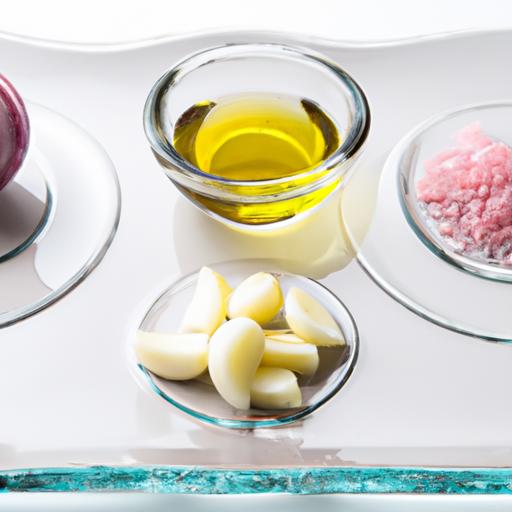
- 1 large yellow onion, thinly sliced
- 1 cup grapeseed oil (or neutral oil of choice)
- Optional: pinch of sea salt to enhance flavor extraction
Instructions
- Peel and thinly slice the onion to about ⅛-inch thickness to maximize flavor release.
- Pour the grapeseed oil into a small saucepan and add the sliced onions.
- Heat over low flame-maintain temperature between 120°F and 150°F-to gently warm the onions. Use a candy or kitchen thermometer for precision.
- Infuse the oil gently for 30-40 minutes, stirring occasionally to prevent sticking and encourage uniform flavor.
- Watch carefully as the onions turn golden but not dark brown, avoiding any burnt flavor.
- Remove from heat and allow to cool slightly.
- Strain the oil through a fine mesh sieve or cheesecloth into a sterilized glass jar or bottle.
- Seal tightly and store in a cool, dark place or refrigerate to extend shelf life.
- Use within two weeks for maximum freshness and vibrant flavor.
Tips for Success
- For a milder infusion, try using sweet onions or reduce infusion time to 20-25 minutes.
- Experiment with adding whole peppercorns or fresh thyme during infusion to deepen complexity.
- If your oil cloudy or the flavor is too intense, allow it to rest a day in the fridge and strain again.
- Always use clean dry utensils to avoid contamination and prolong shelf life.
- This oil makes an exceptional base for homemade mayonnaise or aioli; see our homemade aioli recipe to learn more.
Serving Suggestions
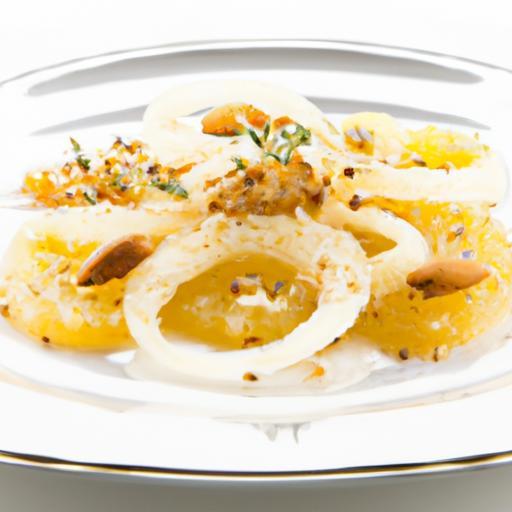
Use this luxuriously aromatic oil as a finishing touch on grilled fish or roasted potatoes. Drizzle it fresh over leafy salads or spiralized zucchini for an unexpected flavor boost. Garnish dishes with finely chopped fresh herbs like parsley or chives, bringing brightness that complements the sweet and savory undertones. Its vibrant golden hue also makes it stunning for plating and presentation, inviting your guests to savor every bite.

| Nutrient | Per 1 tbsp |
|---|---|
| Calories | 120 kcal |
| Protein | 0 g |
| Carbohydrates | 0.5 g |
| Fat | 14 g |
For more expert tips on infusions, visit Serious Eats on Infused Oils.
Q&A
Q&A: Unlock Flavor: A Step-by-Step Guide to Onion-Infused Oil
Q1: What makes onion-infused oil a game-changer in the kitchen?
A1: Onion-infused oil transforms everyday dishes by adding a subtle, sweet, and savory depth without overpowering the palate. It captures the essence of caramelized onions, enriching salads, sautés, and marinades with layers of flavor that elevate even the simplest meals.
Q2: How do I start making my own onion-infused oil?
A2: Begin with good-quality oil-olive or grapeseed work beautifully. Thinly slice fresh onions, gently warm them in the oil over low heat, and let the magic unfold as the onions slowly release their natural sugars. Patience is key-infuse for about 20-30 minutes to unlock those rich, aromatic notes.
Q3: Why is low heat important when infusing onion flavors?
A3: Low heat prevents the onions from burning, which would yield a bitter taste. Instead, it allows the oil to soak up the sweet, caramelized essence of the onions, creating a smooth, flavorful oil without any harsh undertones.
Q4: Can I use different types of onions to vary the flavor?
A4: Absolutely! Yellow onions offer a classic, mellow sweetness; red onions add a vibrant, slightly sharp tang; and shallots bring a delicate, garlicky nuance. Experimenting with varieties can customize your infused oil to perfectly complement your dish.
Q5: How should I store onion-infused oil to keep it fresh?
A5: Store your infused oil in a clean, airtight glass bottle or jar in the refrigerator. Use it within one to two weeks to enjoy its peak flavor and to avoid spoilage. Always use a clean spoon or utensil to keep contamination at bay.
Q6: What are some creative ways to use onion-infused oil?
A6: Drizzle it over roasted vegetables, mix it into salad dressings, brush it on grilled meats, or toss it with pasta for an instant flavor boost. Its versatility makes it a secret weapon for cooking enthusiasts looking to add a gourmet touch with minimal effort.
Q7: Are there any safety tips to keep in mind when making onion-infused oil?
A7: Yes! Since onions are a low-acid ingredient, infusing oil at low temperatures and refrigerating the final product promptly helps minimize the risk of bacterial growth. Avoid leaving infused oil at room temperature for extended periods to keep it safe and delicious.
Q8: Can I double or triple the recipe for larger batches?
A8: You can, but be mindful to use a larger, shallow pan for even heating and to maintain low temperatures. Larger volumes take longer to infuse, so adjust your timing accordingly while keeping an eye on the aroma and color as signs of readiness.
Q9: How can I tell when the onion-infused oil is perfectly done?
A9: Look for lightly golden, translucent onions floating in fragrant oil. The kitchen should fill with a warm, savory aroma-this is your cue. Taste a small amount of the cooled oil; it should have a smooth, sweet onion flavor without any burnt notes.
Q10: Is onion-infused oil suitable for all types of cooking?
A10: While it’s fantastic for finishing dishes and low to medium-heat cooking, high-heat frying isn’t ideal, as the delicate flavors can degrade. Use it to enhance rather than overhaul your culinary creations for the best sensory experience.
Closing Remarks
As you savor the subtle richness of your dishes enhanced by onion-infused oil, remember that this simple infusion is more than just a seasoning-it’s a gateway to unlocking deeper layers of flavor in your cooking. With each step, from gently sautéing the onions to capturing their essence in oil, you’re not only elevating your meals but also embracing a tradition of culinary creativity. So go ahead, experiment boldly, and let your kitchen become a fragrant haven where even the humblest ingredient, like the onion, transforms into a tantalizing flavor treasure. Unlock flavor, one drip at a time.