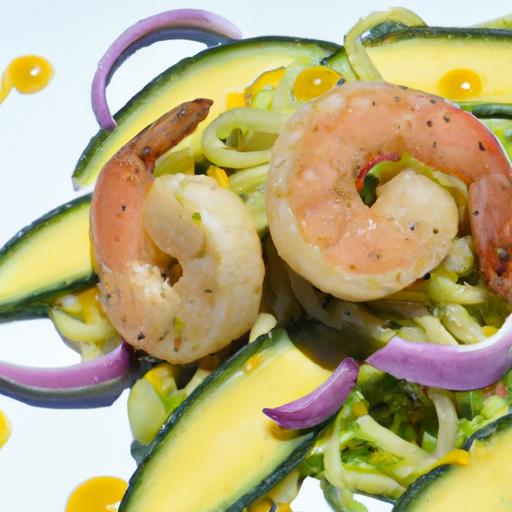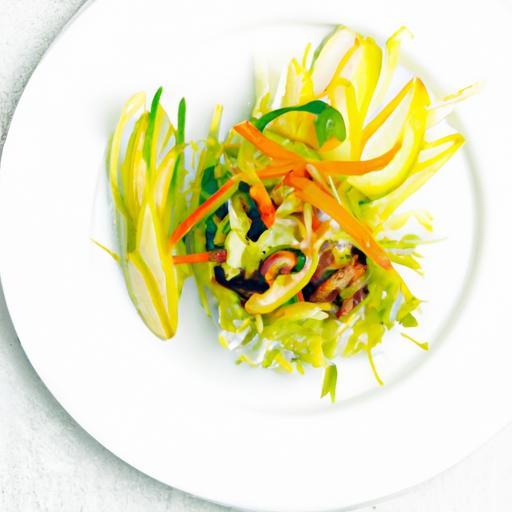

In the vast world of culinary exploration, few ingredients carry the enchanting allure and subtle complexity of passionflower. Often celebrated for its calming properties, this vibrant blossom also holds a secret – a unique flavor profile that can elevate everyday dishes into extraordinary sensory experiences. “Unlocking Flavor: Delicious Recipes with Passionflower Magic” embarks on a journey to reveal how this exquisite flower transforms simple recipes into unforgettable culinary masterpieces. From refreshing drinks to decadent desserts, discover the art of infusing passionflower’s delicate essence, unlocking a symphony of tastes that dance on the palate and awaken the imagination. Join us as we delve into the magic of passionflower and bring a new dimension of flavor to your kitchen.
Unlocking flavor begins with understanding the enchanting essence of passionflower-a botanical treasure that adds a delicate floral brightness and subtle tang to both sweet and savory culinary creations. Originating from tropical regions and cherished in herbal traditions for centuries, passionflower’s unique aroma and taste invite home cooks and chefs alike to experiment beyond conventional flavor boundaries. Whether you’re weaving it into a luscious dessert or accentuating a vibrant salad, passionflower infuses dishes with an irresistible character that delights the senses.
Prep and Cook Time
- Preparation: 20 minutes
- Cooking: 15 minutes
- Total Time: 35 minutes
Yield
Serves 4 generously
Difficulty Level
Medium – Perfect for adventurous cooks ready to unlock new flavor dimensions.
Ingredients
- 2 tablespoons passionflower syrup (homemade or store-bought, for infusion)
- 1 cup all-purpose flour, sifted
- 1/2 cup granulated sugar
- 1 teaspoon baking powder
- 1/4 teaspoon sea salt
- 2 large eggs, at room temperature
- 1/2 cup whole milk
- 1/4 cup unsalted butter, melted and cooled
- 1 teaspoon vanilla extract
- 2 ripe passionfruit pods (for fresh seeds and pulp)
- 1/2 cup cream cheese, softened (for sweet or savory applications)
- Fresh mint leaves for garnish
- Optional: toasted almonds or pistachios for crunchy texture
Instructions
- Preheat your oven to 350°F (175°C). Lightly grease a 9-inch round cake pan or line with parchment paper for easier removal.
- Combine dry ingredients: In a medium bowl, whisk together the all-purpose flour, sugar, baking powder, and sea salt until evenly mixed.
- Mix wet ingredients: In a separate large bowl, beat the eggs lightly. Add the milk, melted butter, vanilla extract, and passionflower syrup. Stir until fully combined to create a luxuriously fragrant base.
- Incorporate dry into wet: Gradually fold the dry mixture into the wet ingredients. Use a spatula to gently combine until just smooth; avoid overmixing to maintain a tender crumb.
- Prepare passionfruit pulp: Cut open the passionfruit pods and scoop out the seeds and pulp. Gently fold half into the batter, reserving the rest for garnish and topping.
- Pour batter into your prepared pan, smoothing the top with a spatula for even baking.
- Bake for 25-30 minutes, or until a toothpick inserted in the center comes out clean. Keep an eye during the last 5 minutes-the top should look golden with a slight springiness.
- Cool the cake: Allow the baked cake to cool in the pan for 10 minutes before transferring it to a wire rack to cool completely.
- Prepare cream cheese topping: Whip softened cream cheese with a tablespoon of passionflower syrup for a lightly sweet, tangy spread that complements the floral notes perfectly.
- Serve: Slice the cake, spread with passionflower cream cheese topping, and garnish with fresh pulp, mint leaves, and optionally, a sprinkle of toasted nuts for sophisticated texture contrast.
Chef’s Notes and Tips for Success
- Passionflower syrup substitution: If unavailable, substitute with a mixture of passionfruit juice and honey to mimic flavor intensity and natural sweetness.
- Flavor pairing: Passionflower shines when paired with tropical fruit like mango, coconut, and pineapple or with herbs such as basil and mint to brighten savory dishes like ceviche or grilled seafood.
- Make-ahead tips: This cake stores well, covered, at room temperature for 2 days or refrigerated for up to 5 days. Warm slightly before serving to awaken flavors.
- Infusion technique: To elevate savory profiles, infuse passionflower syrup into vinaigrettes or marinades to add subtle complexity and floral depth.
- Texture balance: Incorporate crunchy elements like toasted almonds or pistachios for contrast against the soft cake crumb and creamy topping.
Serving Suggestions
Present this passionflower-infused cake on rustic wooden boards or elegant dessert plates, accented with tropical fruit segments or edible flowers for visual drama. Serve alongside a chilled glass of sparkling white wine or a bright herbal tea to complete the sensory experience. Incorporating fresh mint and passionfruit pulp not only uplifts the flavor but adds a vibrant pop of color that’s sure to captivate guests.

| Nutrient | Per Serving |
|---|---|
| Calories | 320 kcal |
| Protein | 6 g |
| Carbohydrates | 40 g |
| Fat | 15 g |
For more inspiration on floral infusions, check out Cooking with Edible Flowers. To deepen your understanding of passionflower’s botanical properties and culinary history, visit the Encyclopedia Britannica’s passionflower entry.
Q&A
Q&A: Unlocking Flavor – Delicious Recipes with Passionflower Magic
Q1: What makes passionflower a unique ingredient in cooking?
A1: Passionflower isn’t just stunning to look at; it’s a flavor treasure waiting to be discovered. Its delicate floral notes blend hints of citrus and tropical fruit, lending an exotic and refreshing twist to dishes. Unlike more common herbs, passionflower infuses both taste and aroma, elevating simple recipes into unforgettable culinary experiences.
Q2: How can one incorporate passionflower into everyday recipes?
A2: Passionflower can be used in diverse ways-from brewing fragrant teas and infusions to creating vibrant syrups that enhance desserts and cocktails. You can also fold passionflower petals into salads for a splash of color and subtle flavor, or steep them into cream and custards to add a unique floral essence.
Q3: Are passionflower leaves and flowers both edible?
A3: Yes! While the flowers are prized for their aromatic petals and nectar, passionflower leaves can also be used, particularly for infusions and herbal teas. However, the leaves have a more subdued flavor compared to the flowers, so they work best as a gentle background note rather than a starring ingredient.
Q4: Can passionflower enhance savory dishes, or is it only for sweets?
A4: Passionflower’s magic extends beyond desserts. Its bright, citrusy notes complement savory ingredients like seafood, chicken, and fresh herbs. Think passionflower-infused vinaigrettes, glazes, or marinades that add unexpected depth and a touch of floral intrigue to your main courses.
Q5: Is passionflower easy to grow at home for culinary use?
A5: Absolutely! Passionflower vines thrive in warm, sunny environments and are relatively low-maintenance. Once established, they produce blooms that you can harvest fresh for your recipes. Having your own homegrown passionflower means endless possibilities to experiment with fresh, vibrant flavors straight from the vine.
Q6: What should one keep in mind when using passionflower in recipes?
A6: Like any potent ingredient, balance is key. Passionflower’s flavor can be delicate but distinctive, so start with small amounts and adjust to taste. Also, ensure you are using edible species of passionflower, as some varieties are best reserved for decorative purposes or herbal use only.
Q7: Can you recommend a simple recipe featuring passionflower for beginners?
A7: Certainly! Try making a passionflower honey syrup: infuse fresh passionflower petals in warm honey, then use it to drizzle over yogurt, pancakes, or fresh fruit. It’s an easy way to introduce the enchanting flavor of passionflower into your kitchen without complex preparation.
Discovering passionflower’s culinary magic is about inviting nature’s artistry onto your plate. With its vibrant flavors and captivating aroma, passionflower opens a new world of taste – one recipe at a time.
To Conclude
As we close this flavorful journey through the enchanting world of passionflower-infused recipes, it’s clear that this botanical marvel is more than just a pretty blossom. From its subtle floral notes to its natural calming properties, passionflower invites us to explore new culinary horizons where taste and wellness intertwine. Whether you’re blending it into a refreshing tea, incorporating it into decadent desserts, or crafting inventive cocktails, passionflower opens a door to delicious possibilities that awaken the senses and nourish the soul. So next time you seek a dash of magic in your kitchen, remember that unlocking flavor may be as simple-and as extraordinary-as harnessing the charm of passionflower.