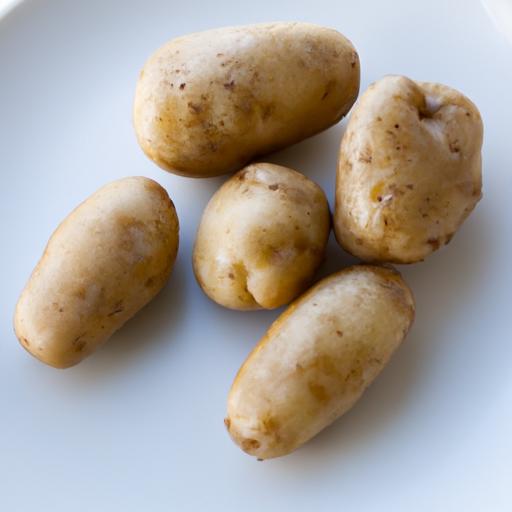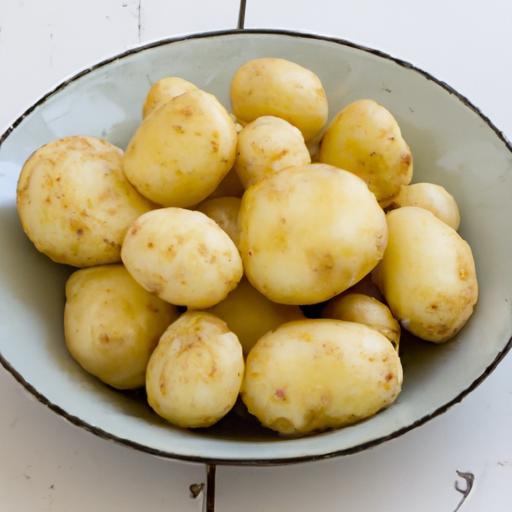

There’s a quiet revolution happening in kitchens everywhere, and it’s all about unlocking the hidden health powerhouse of one humble staple: the potato. Beyond their comforting, creamy texture and golden crisp, potatoes harbor a secret treasure-resistant starch-a type of fiber that plays a starring role in gut health, blood sugar control, and long-lasting energy. But here’s the twist: how you prepare your spuds can make all the difference in tapping into this nutritional goldmine. In this article, we dive into the science and art of perfect potato prep, revealing simple techniques to boost resistant starch and transform your favorite dish into a vibrant, health-boosting delight. Ready to elevate your potato game and treat your body to a wholesome upgrade? Let’s get peeling!
Unlocking Resistant Starch in potatoes reveals a fascinating secret to enhancing your gut health while indulging in one of the world’s most beloved staples. As a culinary content creator passionate about nutritious cooking, I’ve found that understanding resistant starch transforms simple potatoes into a powerhouse ingredient that supports digestion and balances blood sugar. This post dives deep into selecting the best potato varieties, mastering cooking techniques, and applying smart storage tips to maximize resistant starch content – ensuring each bite is both delicious and beneficial.
Prep and Cook Time
- Preparation: 10 minutes
- Cooking: 25 minutes
- Cooling and Storage: 12 hours (for optimal resistant starch formation)
Yield
Serves 4 generous portions
Difficulty Level
Easy to Medium – Perfect for home cooks seeking to enhance nutritional value with smart potato prep.
Ingredients
- 4 medium potatoes (choose varieties like Russet or Yukon Gold for higher resistant starch)
- 2 tbsp olive oil (extra virgin for flavor and health benefits)
- 1 tsp sea salt (or to taste)
- Fresh herbs (such as rosemary or thyme, optional for garnish)
- Black pepper (freshly cracked, to taste)
- Cold water (for soaking)
Instructions
- Prepare the potatoes: Start by scrubbing the potatoes thoroughly to remove dirt while keeping the skins intact. The skin contains fiber that complements resistant starch benefits.
- Soak in cold water: Submerge the whole potatoes in cold water for at least 30 minutes. This process helps reduce excess starch on the surface and primes them for better resistant starch development.
- Boil the potatoes: Drain the soaking water and place the potatoes in a pot of fresh, cold water. Bring to a boil and cook until just tender when pierced (about 15-20 minutes). Avoid overcooking to preserve texture and nutrients.
- Cool for starch transformation: Drain and let the potatoes cool completely at room temperature, then transfer to the fridge for 12 hours or overnight. Cooling converts digestible starches into resistant starch, enhancing health benefits.
- Reheat smartly: When ready to serve, gently reheat potatoes by roasting at 400°F for 10-15 minutes with olive oil, salt, and herbs, or lightly pan-fry until golden brown. This technique preserves the resistant starch while adding a delicious crispy exterior.
Chef’s Notes: Tips for Success
- Choosing the right type: High-amylose potatoes such as Russet or Yukon Gold excel in resistant starch formation. Avoid waxy or new potatoes if maximum content is desired.
- Alternative starch sources: Incorporate other resistant starch-rich tubers or legumes in your diet for variety and balance.
- Make ahead: Prepare and cool potatoes in advance to save time while boosting starch benefits-perfect for meal prep.
- Storage advice: Keep cooked potatoes refrigerated in an airtight container up to three days; avoid freezing as texture changes reduce quality.
- Reheating caution: Avoid microwaving, which can break down resistant starch. Instead, oven or pan reheating is preferred for texture and nutrition.
Serving Suggestions
Serve these golden, crispy reheated potatoes alongside grilled lean proteins or a vibrant salad for a well-rounded meal. Garnish with freshly chopped rosemary and a sprinkle of cracked black pepper to elevate flavor and visual appeal. For a twist, toss with a light garlic aioli or creamy avocado dip-both complement the earthy notes beautifully.

| Nutrient | Per Serving |
|---|---|
| Calories | 150 kcal |
| Protein | 3 g |
| Carbs | 35 g (including 4 g resistant starch) |
| Fat | 5 g (healthy fats from olive oil) |
For more information on the science behind resistant starch and its benefits, visit Healthline’s detailed guide. Also, explore our recipe on Gut-Friendly Root Vegetables to diversify your healing meals.
Q&A
Q&A: Unlocking Resistant Starch – Perfect Potato Prep Tips
Q1: What exactly is resistant starch, and why should I care about it when cooking potatoes?
A1: Resistant starch is a type of carbohydrate that resists digestion in the small intestine, acting more like fiber than starch. When you eat resistant starch, it passes into your colon where it feeds beneficial gut bacteria, promoting digestive health and even helping regulate blood sugar. Potatoes are a great source-if prepared just right!
Q2: How can I maximize the resistant starch content in potatoes?
A2: The secret lies in cooking and cooling. Boil or bake your potatoes fully, then cool them in the fridge for at least 12 hours. This cooling process turns some of the digestible starch into resistant starch-a process called retrogradation. Reheating them won’t undo the benefits, so enjoy your potatoes chilled, or lightly warmed.
Q3: Does the type of potato matter?
A3: Absolutely! Waxy potatoes like red or new potatoes have less resistant starch than starchy types such as Russets or Yukon Golds. For boosting resistant starch, starchy potatoes are your best friends-they thrive in fluffy textures that caramelize beautifully after cooling.
Q4: Can I add resistant starch without altering the taste or texture?
A4: Cool potatoes can taste just as delicious as freshly cooked ones-they take on a slightly firmer texture, perfect for potato salads or fried hash browns. If you want to keep the creamy feel, mash them after cooling and mix with a touch of olive oil or yogurt.
Q5: What cooking methods preserve or enhance resistant starch best?
A5: Boiling and baking followed by refrigeration are your golden tickets. Avoid frying fresh potatoes immediately; frying after refrigeration locks in more resistant starch and reduces acrylamide formation, making it a healthier choice.
Q6: How much resistant starch can I realistically expect from my potatoes?
A6: Cooling and reheating can increase resistant starch by up to threefold compared to freshly cooked potatoes. While exact amounts vary, this simple kitchen trick can empower your digestion significantly.
Q7: Any creative recipe ideas to make resistant starch potatoes irresistible?
A7: Try a chilled potato salad with herbs and a zesty vinaigrette, or crispy pan-fried leftovers seasoned with smoked paprika. You can even spiralize cooled potatoes for a unique starch-boosted side dish!
Unlocking resistant starch is like discovering a hidden health treasure inside your everyday spuds. With these tips, your potato game just got a scientifically delicious upgrade!
Concluding Remarks
As you peel back the layers of potato preparation, it becomes clear that unlocking resistant starch is less of a culinary mystery and more of an artful science. With simple tweaks-cooling your spuds after cooking, choosing the right potato varieties, and embracing methods like baking or boiling-you can transform this humble tuber into a powerful ally for your gut health. So next time you’re in the kitchen, remember: the secret to a healthier, happier digestive system might just be resting quietly in your potato salad. Happy prepping, and here’s to making every bite count!