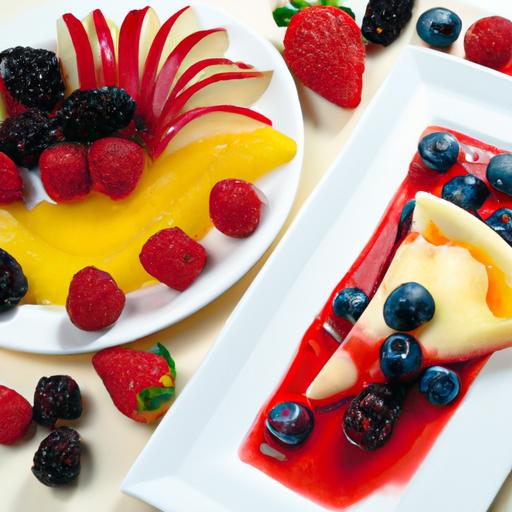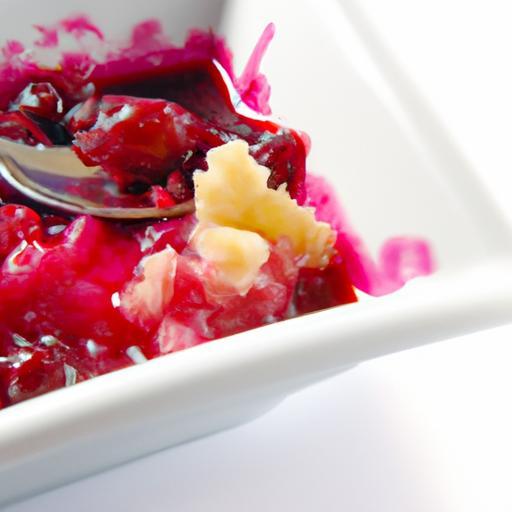

Beneath the simple sweetness that tantalizes our taste buds lies a world of tiny, powerful molecules – the monosaccharides. These fundamental building blocks of sugar hold the key to understanding the very essence of energy, nutrition, and life itself. In this journey through the microscopic realm of carbohydrates, we’ll unlock the sweet secrets of monosaccharides, revealing their structures, functions, and the surprising roles they play far beyond the ordinary sugar bowl. Whether you’re a curious foodie, a health enthusiast, or a science lover, prepare to discover the fascinating truth behind nature’s simplest sugars.
Unlocking Sweet Secrets: What Are Monosaccharides? begins with understanding these simple sugar molecules that play a fundamental role in fueling our body’s daily functions. Monosaccharides, often called the basic building blocks of carbohydrates, are the single-unit sugars that can be directly absorbed and utilized by the body. These natural sugars appear in many wholesome foods, lending a smooth sweetness while providing vital energy to your cells.
Prep and Cook Time
Prep Time: 10 minutes
Cook Time: 15 minutes (for recipe illustration)
Yield
Servings: 4
Difficulty Level
Easy – Perfect for anyone eager to understand and enjoy monosaccharide-rich foods thoughtfully.
Ingredients
- 2 cups fresh strawberries, hulled and halved
- 1 medium ripe banana, mashed
- 1 cup orange juice, freshly squeezed
- 1 tbsp raw honey (natural source of fructose and glucose)
- ½ cup rolled oats
- ¼ cup chopped walnuts
- 1 tsp chia seeds
- Fresh mint leaves, for garnish
Instructions
- Prepare the fruit base: In a blender, combine fresh strawberries, mashed banana, and orange juice. Blend until smooth, capturing the natural monosaccharides-glucose, fructose, and galactose-found abundantly in these fruits.
- Add natural sweetness: Stir in raw honey, enhancing the mix with additional fructose and glucose derived straight from nature’s pantry.
- Mix the dry ingredients: In a separate bowl, combine rolled oats, chopped walnuts, and chia seeds. These provide complex carbohydrates and healthy fats that balance energy release from monosaccharides.
- Assemble the dish: Pour the fruit blend over the oat mixture and gently fold together to achieve a hearty, textured base perfect for morning energy.
- Garnish and serve: Top with fresh mint leaves to add a burst of color and refreshing aroma, inviting you to savor every bite.
Tips for Success
- To accommodate a vegan diet, substitute raw honey with pure maple syrup or agave nectar for sweetness.
- For extra protein and creaminess, add a spoonful of Greek yogurt before blending the fruit.
- Chilling the oat-fruit mixture for 10 minutes intensifies flavors and softens oats for a delightful bite.
- Use fresh, in-season fruit for the best natural sweetness and nutrient content.
- Adjust the amount of raw honey to your taste, balancing indulgence with mindful sugar intake.
Serving Suggestions
This vibrant bowl makes a revitalizing breakfast or a nourishing snack. Serve it in a shallow glass bowl or rustic ceramic bowl to highlight the rich colors of the fruit and nuts. Sprinkle with an extra pinch of chia seeds and a drizzle of honey for a glossy finish. Pair with a green herbal tea or a fresh cold-pressed juice to complement the natural sweetness of monosaccharides.
| Nutrient | Amount per Serving |
|---|---|
| Calories | 210 |
| Protein | 5g |
| Carbohydrates | 38g (Monosaccharides & Complex Carbs) |
| Fat | 7g |
Unlocking Sweet Secrets: What Are Monosaccharides? helps us appreciate how these simple sugars contribute to our body’s vitality and flavor profiles in daily cooking. By selecting natural sources and pairing them thoughtfully, you can enjoy energy-rich, delicious dishes that satisfy both palate and physiological needs.
Discover more about carbohydrate digestion and health benefits in our comprehensive Healthy Carbohydrates Explained guide, and for scientific insights on monosaccharides, visit NIDDK Diabetes & Nutrition.

Q&A
Q&A: Unlocking Sweet Secrets: What Are Monosaccharides?
Q1: What exactly are monosaccharides?
A1: Monosaccharides are the simplest form of carbohydrates-tiny, sweet molecules that serve as the fundamental building blocks of sugar. Think of them as the single letters that form the complex words of carbohydrates. Their name literally means “one sugar,” highlighting their simple, single-unit structure.
Q2: Why are monosaccharides so important in nature?
A2: These sweet little wonders are nature’s go-to energy source. They fuel everything from your morning jog to the growth of plants. Their simple structure makes them quick to digest and easy to convert into energy, acting like the fastest, most efficient fuel cells in the biological world.
Q3: What are some common types of monosaccharides?
A3: The most famous trio includes glucose, fructose, and galactose. Glucose powers your cells, fructose adds the sweetness to fruits, and galactose partners with glucose to form lactose in milk. Each has a unique twist in taste and function, but all share the same sweet essence.
Q4: How do monosaccharides differ from other sugars?
A4: Unlike disaccharides and polysaccharides, which are chains of sugar units, monosaccharides stand alone as single sugar molecules. They’re like the solo artists of the sugar world, while others form bands or orchestras by linking together.
Q5: Where can I find monosaccharides in my everyday diet?
A5: Monosaccharides sneak into your diet through fruits, honey, and even some vegetables. For example, the juicy sweetness of an apple is thanks to fructose and glucose. Even dairy products contain galactose, attaching it subtly into your meals.
Q6: Can understanding monosaccharides help with managing my health?
A6: Absolutely! Knowing how monosaccharides behave can aid in controlling blood sugar levels, managing diabetes, and making informed dietary choices. Since they’re rapidly absorbed, balancing their intake ensures that energy stays steady without sugar crashes.
Q7: What role do monosaccharides play beyond sweetness?
A7: Beyond their sweet facade, monosaccharides are essential for cell recognition, signaling, and building the structural components of DNA and RNA. They’re quietly orchestrating the symphony of life at a microscopic level.
Q8: How do scientists study monosaccharides?
A8: Researchers use techniques like chromatography and spectroscopy to unravel the subtle differences in monosaccharide structures. These methods reveal their secrets, helping us understand how these sugars impact health, nutrition, and even disease.
Unlocking the secrets of monosaccharides opens a fascinating window into the sweet foundations of life. Next time you savor a ripe strawberry or a drop of honey, you’ll be tasting one of nature’s most fundamental and flavorful molecules!
The Way Forward
As we peel back the layers of these tiny sugars, the world of monosaccharides reveals itself not just as simple sweeteners, but as fundamental architects of life’s energy and structure. From the glucose powering your every step to the fructose adding a touch of nature’s sweetness, understanding monosaccharides unlocks a deeper appreciation for the intricate chemistry fueling our bodies. So next time you enjoy a juicy fruit or a spoonful of honey, remember the sweet secrets coursing through those sugars-small molecules with a mighty role in the symphony of life.