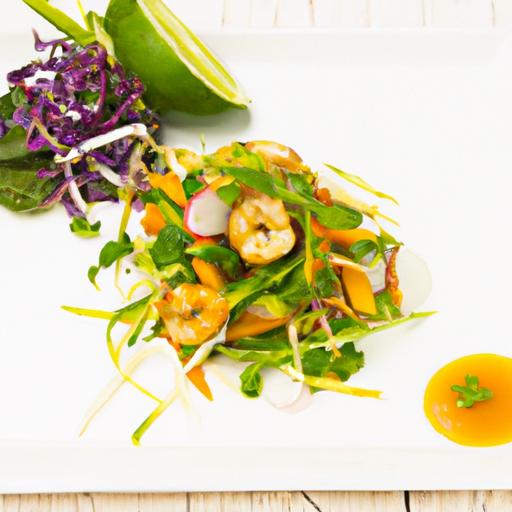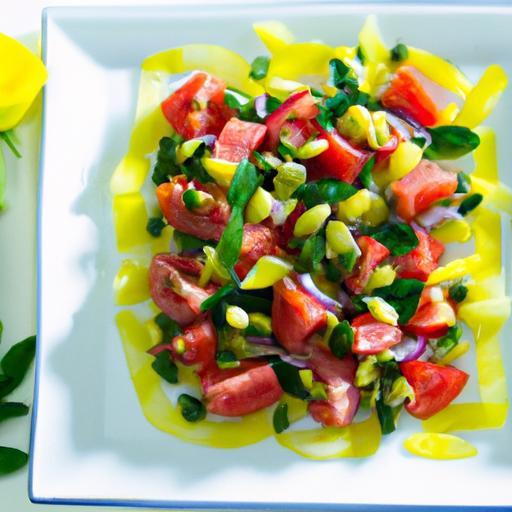

In a world brimming with quick fixes and fleeting trends, the true essence of health often gets lost in the shuffle. Yet, nestled within the vibrant colors and earthy textures of nature lies a timeless secret: whole foods. Unlocking wellness through a whole foods approach is not just a dietary choice-it’s a transformative journey back to the roots of nourishment. This article dives into the powerful connection between what we eat and how we thrive, exploring how embracing whole, unprocessed foods can ignite vitality, balance, and lasting well-being from the inside out. Prepare to rediscover food as medicine, fuel, and a celebration of life itself.
Embracing the Nutritional Richness of Whole Foods in Everyday Cooking
Unlocking Wellness: The Power of a Whole Foods Approach begins with appreciating how nature’s bounty fuels our bodies in the purest form. When you choose vibrant, unprocessed ingredients, you’re inviting a symphony of vitamins, minerals, antioxidants, and fiber into your daily routine – each element thoughtfully designed to nourish and energize from within.
Let me guide you through an invigorating recipe that celebrates whole foods with simplicity and flavor. This dish reflects the wholesome goodness I embrace every day in my kitchen-a colorful, nutrient-packed Grain & Veggie Buddha Bowl that’s equally satisfying, quick to prepare, and endlessly adaptable.
Prep and Cook Time
- Preparation: 15 minutes
- Cooking: 25 minutes
- Total: 40 minutes
Yield
4 generous servings
Difficulty Level
Easy to Moderate
Ingredients
- 1 cup quinoa, rinsed
- 2 cups water or low-sodium vegetable broth
- 1 medium sweet potato, peeled & cubed
- 1 cup chickpeas, cooked or canned, drained and rinsed
- 2 cups fresh kale, roughly chopped
- 1/2 cup shredded purple cabbage
- 1 ripe avocado, sliced
- 1 small carrot, julienned
- 2 tablespoons extra virgin olive oil
- 1 tablespoon tahini
- 1 tablespoon lemon juice, fresh
- 1 teaspoon smoked paprika
- Salt and freshly ground black pepper, to taste
- 1 tablespoon toasted sesame seeds, for garnish
Instructions
- Cook the quinoa: In a medium saucepan, combine the quinoa and water or broth. Bring to a boil, then reduce heat to low. Cover and simmer for 15 minutes until fluffy. Fluff with a fork and set aside.
- Roast the sweet potatoes: Preheat your oven to 400°F (200°C). Toss sweet potato cubes with 1 tablespoon olive oil, smoked paprika, salt, and pepper. Spread evenly on a baking sheet and roast for 20 minutes, flipping halfway, until tender and slightly caramelized.
- Sauté the kale and chickpeas: In a skillet, heat the remaining olive oil over medium heat. Add the chickpeas and kale, seasoning lightly with salt and pepper. Sauté until the kale wilts and chickpeas develop a golden crust, about 5 minutes.
- Prepare the tahini dressing: Whisk together tahini, lemon juice, 1 tablespoon water, salt, and black pepper until creamy and smooth. Adjust consistency by adding more water if necessary.
- Assemble the bowl: Divide quinoa evenly among bowls. Top with roasted sweet potatoes, sautéed kale and chickpeas, shredded cabbage, carrot, and avocado slices.
- Drizzle dressing & garnish: Spoon the tahini dressing over each bowl and sprinkle with toasted sesame seeds for a final touch.
Tips for Success
- To save time, cook quinoa and roast sweet potatoes simultaneously.
- Substitute kale with spinach or Swiss chard for different flavor profiles and textures.
- Use canned chickpeas for convenience, but try roasting them separately for crispier texture.
- This recipe is perfect for batch cooking-store components separately to keep freshness through the week.
- Add a protein boost by topping with grilled chicken or tofu for added variety.
Serving Suggestions
Present your colorful bowl in a deep ceramic dish that contrasts vividly with the fresh veggies. Garnish with fresh herbs like cilantro or parsley for brightness. Pair with a refreshing cucumber mint water or your favorite herbal tea to complete this nourishing meal.
| Nutrient | Per Serving |
|---|---|
| Calories | 420 kcal |
| Protein | 14g |
| Carbohydrates | 55g |
| Fat | 15g |

For additional inspiration on incorporating whole foods into your daily routine, explore our Wholesome Meal Plans or visit EatRight.org for expert advice on nutrition and wellness.
Q&A
Q&A: Unlocking Wellness – The Power of a Whole Foods Approach
Q1: What does a “whole foods approach” really mean?
A: At its core, a whole foods approach means choosing foods in their most natural, unprocessed form. Think vibrant fruits, crunchy vegetables, whole grains, nuts, seeds, and legumes-foods that are as close to nature as possible, free from additives, artificial preservatives, or excessive refinement. It’s about eating food, not products.
Q2: How does embracing whole foods unlock wellness?
A: Whole foods are nutritional powerhouses bursting with vitamins, minerals, fiber, and antioxidants-all crucial allies in boosting our immune systems, improving digestion, and fueling sustained energy. When you nourish your body with these pure ingredients, you unlock its natural ability to heal, balance, and thrive.
Q3: Can a whole foods diet improve mental health?
A: Absolutely. The brain thrives on nutrients found richly in whole foods-like omega-3 fatty acids from nuts and seeds, B vitamins from leafy greens, and antioxidants from colorful fruits. These nutrients support neurotransmitter function, reduce inflammation, and can even elevate mood, helping you feel clearer, calmer, and more resilient.
Q4: Is going whole foods challenging in today’s fast-paced lifestyle?
A: It can feel that way at first, but don’t let perfectionism block your path. Start small-swap processed snacks for fresh fruit, or add a handful of nuts to your morning oatmeal. Over time, these simple switches accumulate into a delicious foundation of healthy habits that fit seamlessly into your busy days.
Q5: How does whole foods eating impact the environment?
A: Choosing whole foods often means supporting seasonal, local produce and minimally processed grains and legumes, which typically require fewer resources and less wasteful packaging than heavily processed alternatives. It’s a nourishing choice for both your body and the planet.
Q6: What’s a creative way to jumpstart a whole foods journey?
A: Turn your kitchen into a wellness playground! Experiment with rainbow salads, vibrant smoothie bowls, hearty grain bowls, or roasted vegetable medleys. Let the natural colors and textures inspire you to create meals that are as beautiful as they are nourishing.
Q7: Can this approach accommodate special diets or allergies?
A: Yes, the whole foods philosophy is wonderfully flexible. Whether you’re vegetarian, vegan, gluten-free, or have other dietary needs, focusing on unprocessed, natural foods lets you tailor your wellness journey without sacrificing nutrition or flavor.
Q8: What’s the ultimate secret to sustaining a whole foods lifestyle?
A: Embrace curiosity and kindness. Explore new foods without pressure, listen to what your body enjoys, and remember that wellness is a journey, not a destination. Treat each meal as an opportunity to celebrate the gift of real food-and watch your vitality bloom.
In Summary
As we journey toward vibrant health, embracing a whole foods approach unveils a powerful secret: nourishment rooted in nature’s own design. By choosing foods in their purest form, we not only fuel our bodies with essential nutrients but also cultivate a deeper connection to the rhythms of life itself. Unlocking wellness isn’t about quick fixes or fleeting trends-it’s a commitment to honoring the wisdom of whole foods as the foundation of lasting vitality. So take a mindful step today, savor the simplicity of nature’s bounty, and watch as this wholesome path transforms your well-being from the inside out.