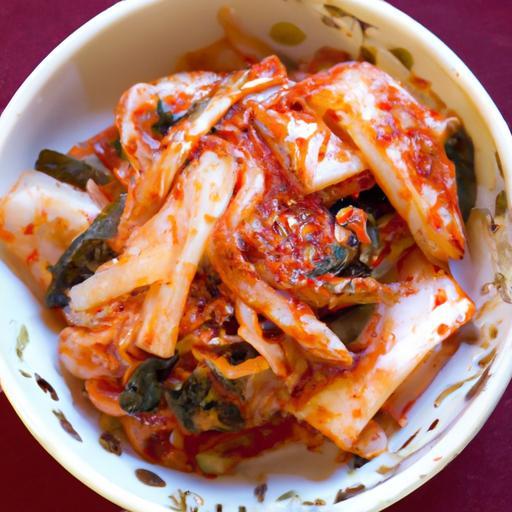

In the vibrant tapestry of Korean cuisine, kimchi stands out as a spicy, tangy masterpiece-an edible emblem of history, culture, and community. More than just a side dish, kimchi is a living tradition, fermented to perfection by the alchemy of time, patience, and the careful selection of ingredients. But what exactly gives this cherished dish its distinctive, bold flavor? In this article, we embark on a flavorful journey to unveil the essential ingredients that transform humble vegetables into a dynamic symphony of taste, unlocking the secrets behind kimchi’s enduring appeal and its place at the heart of Korean heritage.
Exploring Napa Cabbage and Its Role in Flavor
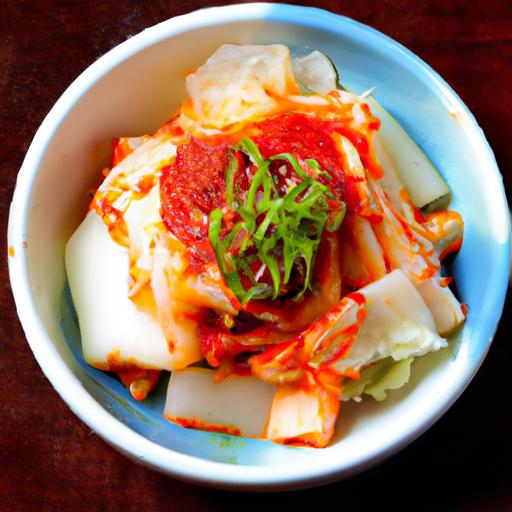
Unveiling Kimchi begins with the very heart of its flavor: the vibrant, crunchy Napa cabbage. This beloved vegetable is far more than just a base – its crisp texture and subtle sweetness provide the perfect canvas for the bold spices and seasonings that define kimchi’s signature taste. Its broad, pale green leaves soak up the fermentation juices beautifully, creating a harmonious balance between tang and earthiness.
Napa cabbage’s unique structure allows for even brining, which is critical for achieving that satisfying crunch while encouraging the fermentation process that yields kimchi’s depth. When selecting Napa cabbage at the market, look for firm, tightly packed heads with fresh, unblemished leaves; smaller heads often ferment more uniformly for home preparations.
Spices and Seasonings that Define Kimchi’s Signature Taste
At the core of unveiling kimchi’s flavor lies an intricate medley of aromatics and spices. Red chili powder (gochugaru) imparts the vibrant red hue and smoky heat, while fermented shrimp or fish sauce layers in a rich umami depth. Fresh garlic and pungent ginger add warmth and complexity, elevating the sensory experience with every bite.
The interplay between these robust flavors is delicate – the chili powder must be potent but not overpowering, and the garlic and ginger should complement, never mask. Other seasonings like julienned daikon radish and green onions round out the profile with textural contrast and freshness, making each bite multifaceted and exciting.
Balancing Act: The Importance of Salt, Garlic, and Ginger in Fermentation
Fermentation transforms simple ingredients into layers of aromatic complexity, but it hinges on the precise balance of salt, garlic, and ginger. Salt draws out water from the Napa cabbage, creating brine that enables natural lactobacilli to flourish. Too little salt risks spoilage, too much stifles fermentation – aiming for roughly 2.5% salt by weight ensures a safe, flavorful pickle.
Garlic acts as a flavor powerhouse and an antibacterial ally, helping shape the kimchi’s signature punch. Meanwhile, ginger’s bright floral notes counterbalance the garlic’s depth, adding freshness that keeps the palate intrigued throughout the weeks of fermenting ahead.
Unlocking the Perfect Kimchi Blend: Tips for Ingredient Selection and Preparation
Mastering the essence of kimchi requires mindful ingredient choices and preparation techniques. Start by salting the Napa cabbage in cold water for at least 6 hours, turning periodically to ensure even penetration and a satisfyingly crunchy bite. Rinse thoroughly to remove excess salt but leave enough to sustain fermentation.
For your spice paste, blend fresh garlic and ginger with gochugaru, fish sauce, and a touch of sugar or sweet rice flour to balance heat and savoriness. Use your hands (wearing gloves) to rub the paste evenly into each leaf layer, ensuring every bite bursts with flavor.
Prep and Cook Time
- Prep Time: 30 minutes (plus 6-8 hours salting time)
- Fermentation Time: 3-7 days at room temperature, then refrigerate
Yield
Approximately 1 quart (4-5 servings)
Difficulty Level
Medium – requires patience but simple techniques
Ingredients
- 1 large Napa cabbage (about 2-3 pounds), quartered and washed
- 1/4 cup sea salt (for salting cabbage)
- 5 cloves garlic, minced
- 1 tablespoon fresh ginger, grated
- 1/4 cup Korean red chili powder (gochugaru)
- 3 tablespoons fish sauce or fermented shrimp paste
- 1 teaspoon sugar or sweet rice flour (optional, for balancing heat)
- 4 green onions, chopped (green and white parts separated)
- 1 small daikon radish, julienned
- 1 cup cold water (for rinsing and mixing)
Instructions
- Salt the cabbage: Submerge quartered Napa cabbage in a large bowl with cold water and salt. Massage salt between leaves, then let sit submerged for 6 to 8 hours, turning occasionally to ensure even salting.
- Rinse the cabbage: After salting, rinse cabbage thoroughly 2-3 times with cold water to remove excess salt. Drain well and gently squeeze out any excess water.
- Prepare the spice paste: In a mixing bowl, combine minced garlic, grated ginger, gochugaru, fish sauce, and sugar (or sweet rice flour). Stir until a vibrant red, thick paste forms.
- Mix the vegetables: Add chopped green onions and julienned daikon radish to the paste. Mix thoroughly to coat evenly.
- Apply the paste: Wearing food-safe gloves, spread the spice paste evenly over each cabbage leaf, working from the inner layers outwards to ensure full coverage and flavor infusion.
- Pack for fermentation: Tightly pack the coated cabbage into a clean, airtight glass or ceramic container. Press down to remove air pockets.
- Ferment: Leave at room temperature for 3-7 days depending on desired sourness. Check daily and press down to keep submerged in liquid. Once fermented to taste, refrigerate to slow fermentation.
Chef’s Notes & Tips for Success
- Salt choice matters: Use coarse sea salt or kosher salt. Avoid iodized table salt as it can affect fermentation.
- Adjust chili heat: Balance gochugaru quantity to suit your heat tolerance. For milder kimchi, reduce to 2 tablespoons.
- Fermentation environment: Ideal temperature is around 65-72°F (18-22°C). Cooler or warmer temps will slow down or speed up fermentation.
- Make ahead: Kimchi flavor improves over time – make at least 5 days ahead to enjoy balanced acidity and depth.
- Alternative umami: Substitute fish sauce with soy sauce for a vegetarian option.
Serving Suggestions
Kimchi shines as a lively side or transformative ingredient. Serve chilled alongside grilled meats, mix into steaming bowls of rice for a salty-sour kick, or fold into savory pancakes for an unexpected crunch. Garnish with toasted sesame seeds and thinly sliced green onions for a beautiful, fragrant finish.
Paired with a cold glass of Korean rice wine or a crisp beer, freshly fermented kimchi becomes a communal celebration of culture, flavor, and tradition.

| Nutrition (per serving) | Calories | Protein (g) | Carbs (g) | Fat (g) |
|---|---|---|---|---|
| Kimchi | 40 | 2 | 6 | 0.5 |
Explore more traditional Korean recipes and fermentation techniques in our Korean Fermentation Guide. For scientific insights, visit ScienceDaily on Kimchi Fermentation.
Q&A
Q&A: Unveiling Kimchi: The Essential Ingredients That Flavor Tradition
Q1: What makes kimchi such a beloved traditional dish in Korean cuisine?
A1: Kimchi is more than just a side dish; it’s a cultural emblem bursting with history, flavor, and health benefits. Its distinct tangy, spicy, and umami-packed profile emerges from a harmonious blend of ingredients that have been perfected over centuries. Each bite tells the story of Korean heritage, seasonal cycles, and communal spirit.
Q2: What are the fundamental ingredients that define authentic kimchi?
A2: At its core, authentic kimchi relies on a few essential players: napa cabbage (or sometimes radish), Korean coarse sea salt, garlic, ginger, and red pepper flakes called gochugaru. These components work in unison – the salt draws out moisture and preserves, while the ginger and garlic add pungency. Gochugaru imparts that signature spicy warmth and vibrant red hue.
Q3: How does the fermentation process influence kimchi’s flavor?
A3: Fermentation is kimchi’s magic trick. Beneficial bacteria feast on sugars in the vegetables, creating lactic acid that deepens flavor complexity and develops a refreshing tang. This natural fermentation not only mellows the spice but creates layers of savory and slightly bubbly notes, making each batch uniquely delicious.
Q4: Are there any secret or optional ingredients that enhance kimchi’s taste?
A4: Absolutely! While traditional kimchi sticks to its basics, many variations include hints of sweetness from sugar or fruit like Asian pear, a splash of fish sauce or salted shrimp for umami richness, and scallions or carrots for texture and color. These extras can tailor kimchi’s flavor spectrum from sweet and mild to boldly pungent.
Q5: Why is kimchi considered a superfood beyond its flavor profile?
A5: Kimchi is brimming with probiotics thanks to fermentation, which aids digestion and boosts gut health. It’s also packed with vitamins A, B, and C, antioxidants from garlic and chili peppers, and fiber from the vegetables. This nutritious powerhouse supports immunity while delivering a powerhouse punch of tradition and taste.
Q6: Can kimchi ingredients be adapted for different dietary needs?
A6: Yes! While the classic recipe might include seafood-based sauces, vegetarian or vegan kimchi versions omit these, substituting with soy sauce or seaweed for umami. You can also adjust salt and spice levels to suit personal preferences, proving that kimchi’s tradition is as flexible as it is flavorful.
Q7: How can understanding the essential ingredients improve my home kimchi-making?
A7: Knowing the role of each ingredient transforms kimchi from a mystery into a creative project. You’ll appreciate why salt timing matters, how to balance spice with sweetness, and what fermentation length suits your taste. This awareness empowers you to honor tradition while customizing your own delicious take on this timeless Korean treasure.
Key Takeaways
As we close the lid on this flavorful journey through the heart of kimchi, it becomes clear that this iconic dish is much more than fermented cabbage and spices. Each essential ingredient-whether it’s the fiery red pepper flakes, the briny anchovy paste, or the crisp crunch of radish-carries with it centuries of tradition, culture, and an enduring love for bold, dynamic flavors. By understanding the components that bring kimchi to life, we not only appreciate its complex taste but also honor the stories and heritage simmering within every bite. So next time you savor kimchi, remember: you’re tasting history, community, and a timeless culinary art crafted from a handful of humble, yet extraordinary ingredients.