
In a world bursting with dietary fads and quick fixes, one timeless hero quietly stands its ground: whole grains. These nutritional powerhouses have been fueling humanity for centuries, packed with fiber, vitamins, and minerals that support a vibrant, healthy life. But how do you seamlessly incorporate these wholesome wonders into your daily routine without turning mealtime into a chore? Welcome to “Whole Grain Wonders: Easy Ways to Boost Your Daily Diet,” where simplicity meets nutrition in the most delicious ways. From breakfast bowls to sneaky snacks, discover how small swaps and clever additions can transform your eating habits-making every bite a step toward better health. Ready to unlock the secret benefits of whole grains? Let’s dig in!
Whole Grain Wonders: Easy Ways to Boost Your Daily Diet
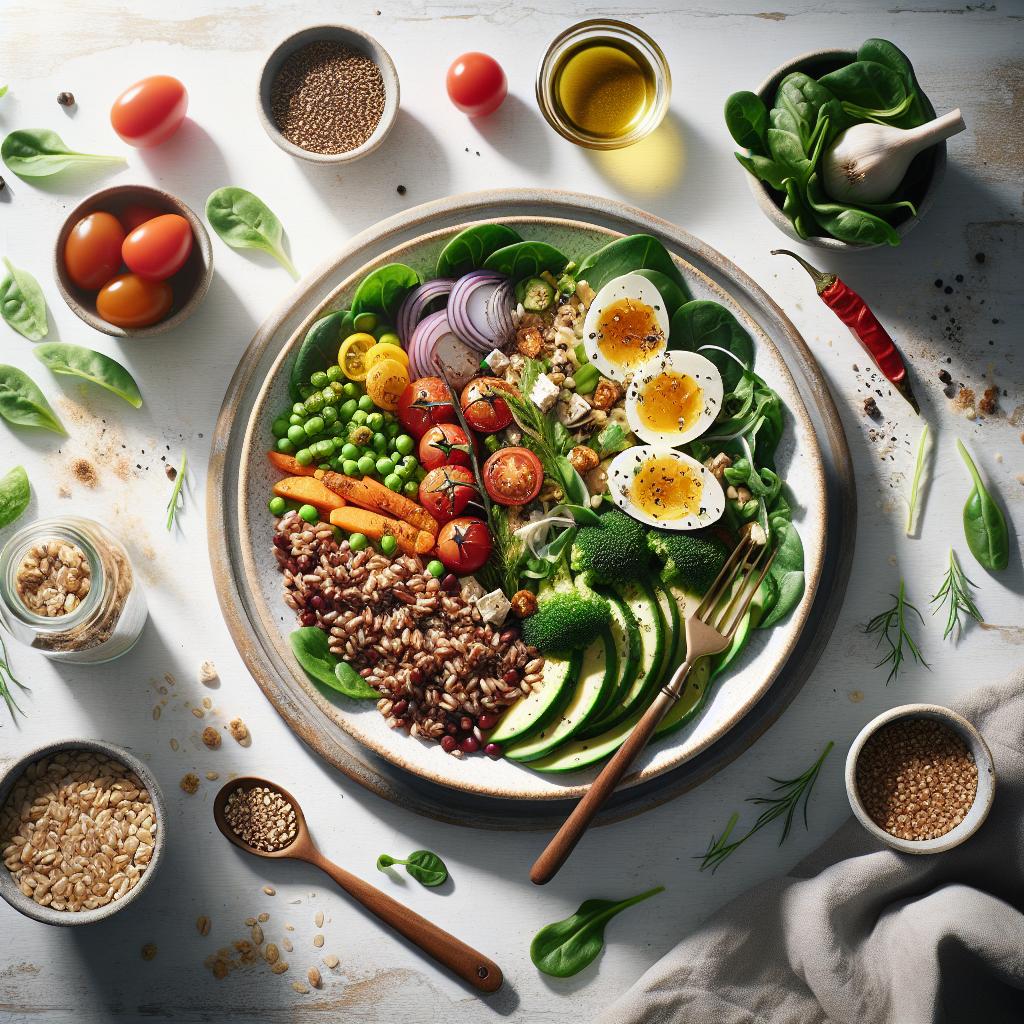
Whole Grain Wonders introduce a delicious and wholesome way to transform your meals with nutrient-packed grains like quinoa, farro, and brown rice. Growing up, my grandmother’s kitchen always smelled of hearty grains simmering gently, a testament to their comforting versatility. This recipe not only honors that tradition but also elevates simple grains into a vibrant, colorful bowl perfect for any season.
Prep and Cook Time
Preparation: 10 minutes
Cook Time: 25 minutes
Total Time: 35 minutes
Yield
Serves 4 generous portions
Difficulty Level
Easy – perfect for weeknight dinners or weekend meal prep
Ingredients
- 1 cup quinoa, rinsed thoroughly
- 2 cups low-sodium vegetable broth
- 1 cup chopped kale, stems removed
- 1/2 cup diced roasted sweet potatoes
- 1/2 cup cooked chickpeas
- 1/4 cup toasted pumpkin seeds
- 1/4 cup finely chopped red onion
- 2 tablespoons extra virgin olive oil
- 1 tablespoon fresh lemon juice
- 1 teaspoon smoked paprika
- Salt and freshly ground black pepper, to taste
- Optional garnish: crumbled feta or sliced avocado
Instructions
- Cook the quinoa: In a medium saucepan, bring the vegetable broth to a boil. Add the rinsed quinoa, reduce heat to low, cover, and simmer for 15 minutes until the liquid is absorbed and quinoa is fluffy. Remove from heat and let sit covered for 5 minutes.
- Sauté the vegetables: While quinoa is cooking, heat 1 tablespoon of olive oil in a large skillet over medium heat. Add the chopped kale and diced roasted sweet potatoes. Sauté until the kale is wilted and tender, about 5 minutes. Stir occasionally to prevent sticking.
- Combine ingredients: Transfer quinoa to a large mixing bowl. Add the sautéed kale and sweet potatoes, cooked chickpeas, and red onion. Toss gently to combine.
- Season the grain bowl: Drizzle the remaining olive oil and fresh lemon juice over the mixture. Sprinkle with smoked paprika, salt, and pepper. Toss again until evenly coated.
- Toast the pumpkin seeds: In a small dry skillet, toast the pumpkin seeds over medium heat until golden brown and aromatic, about 3 minutes. Stir frequently to avoid burning.
- Serve and garnish: Spoon the whole grain bowl into individual serving dishes. Sprinkle toasted pumpkin seeds on top and add optional garnishes such as crumbled feta or sliced avocado for creaminess and extra texture.
Tips for Success
- Swapping grains: Feel free to use farro or bulgur in place of quinoa for different textures and flavors.
- Make-ahead: Cook the grains and roast vegetables in advance, then assemble just before serving for a quick meal.
- Boost protein: Add grilled chicken or tofu for a more substantial dish.
- Mild or bold: Adjust smoked paprika to your spice preference or add a pinch of chili flakes for heat.
- Storage: Keep leftovers refrigerated in an airtight container for up to three days; freshen with a splash of lemon juice before serving.
Serving Suggestions
This vibrant whole grain bowl shines when served warm or at room temperature. Pair it with a crisp green salad tossed in balsamic vinaigrette or enjoy alongside roasted seasonal vegetables. For a more decadent touch, drizzle with a tahini dressing or add a dollop of creamy hummus. Fresh herbs like parsley or cilantro add refreshing bursts of color and flavor to this nutritious plate.

Nutritional Information
| Nutrient | Per Serving |
|---|---|
| Calories | 320 kcal |
| Protein | 10 g |
| Carbohydrates | 45 g |
| Fat | 8 g |
For more inspiration on incorporating whole grains into your daily diet, check out our collection of nutritious grain-based recipes. To deepen your understanding of whole grain benefits, visit the Whole Grains Council’s health resources.
Q&A
Q&A: Whole Grain Wonders – Easy Ways to Boost Your Daily Diet
Q1: What exactly are whole grains, and why should I care about them?
A: Whole grains are the edible seeds of cereal plants that contain all three parts-the bran, germ, and endosperm-in their natural form. Unlike refined grains, they retain fiber, vitamins, minerals, and antioxidants. Caring for whole grains means giving your body a power-packed fuel source that supports digestion, heart health, and steady energy levels throughout the day.
Q2: How can I easily incorporate whole grains into my daily meals without feeling overwhelmed?
A: Embrace simplicity! Start by swapping white rice for brown rice or quinoa, sprinkle oats on your morning yogurt, or choose whole-grain bread for your sandwiches. Think of whole grains as versatile allies-they fit right into salads, soups, and even desserts, adding texture and a subtle, nutty flavor.
Q3: Are there surprising whole grains I might not know about?
A: Absolutely! Beyond familiar names like wheat and oats, try exploring farro’s chewy charm, the delicate nuttiness of amaranth, or the earthy crunch of barley. Each grain brings its own nutritional profile and culinary personality to your plate, inviting fun and variety into your daily routine.
Q4: Can whole grains help with weight management?
A: Yes-they can! Whole grains’ fiber content promotes fullness, curbing overeating and unhealthy snacking. Their slow-digesting carbohydrates stabilize blood sugar and energy, making you less likely to crave quick fixes. It’s a gentle, natural way to support your weight goals without drastic dieting.
Q5: How do I know how much whole grain I should be eating?
A: Aim for at least half of your daily grain intake to be whole grain. For most adults, that translates to about 3-6 servings a day-for example, a slice of whole-grain bread, a half-cup of cooked brown rice, or a bowl of oatmeal counts as one serving. Tune into your body’s needs and adjust accordingly!
Q6: Will switching to whole grains affect my cooking methods or taste preferences?
A: Not necessarily-it’s more about discovery than disruption. Whole grains might take a bit longer to cook, but soaking or using a pressure cooker can speed things up. Taste-wise, they add depth and heartiness rather than overpowering flavors. Mixing whole grains with familiar favorites helps ease the transition and keeps meals delightful.
Q7: Any quick recipe ideas for busy days?
A: Definitely! Try a whole-grain breakfast bowl with rolled oats, fresh fruit, and a drizzle of honey. Toss cooked quinoa with roasted veggies and a splash of lemon for a speedy lunch. Or blend barley into your soups for a satisfying dinner. With these simple swaps, boosting your whole grain intake becomes effortless and delicious.
Embrace the whole grain wonders-your body and taste buds will thank you!
The Way Forward
As you journey toward a healthier lifestyle, remember that every bite counts-especially when whole grains are on your plate. These humble heroes of nutrition not only add vibrant textures and flavors to your meals but also fuel your body with lasting energy and essential nutrients. By weaving whole grains into your daily diet, you’re embracing a simple yet powerful way to enhance wellness from the inside out. So go ahead, sprinkle that quinoa, toast that rye, and savor the whole grain wonders-your body will thank you for it, one delicious bite at a time.