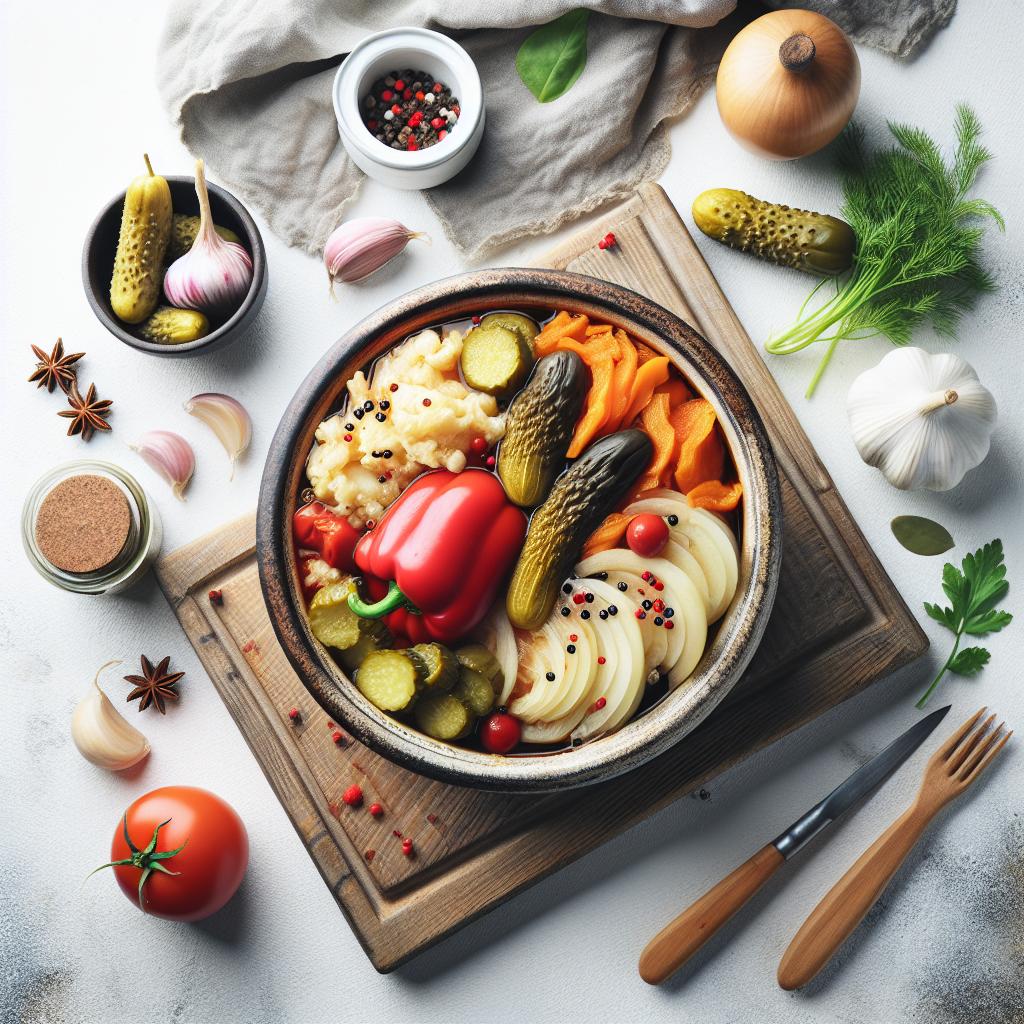

In many households, the phrase “fermented food” might conjure images of pungent jars tucked away in the back of the fridge, or evoke memories of that unmistakably tangy, sometimes downright funky aroma that fills the kitchen. But in my family, these beloved culinary treasures are simply “rotten.” This colorful label, laden with both humor and skepticism, offers a fascinating glimpse into how cultural perceptions shape our relationship with food. In this article, we’ll take a closer look at why fermented foods earn this quirky nickname in my family-and uncover the rich history, science, and surprising benefits behind what some might hastily dismiss as spoiled or “rotten.” Get ready to challenge your taste buds and your assumptions about what it really means for food to ferment.
Why My Family Calls Fermented Food “Rotten” – A Closer Look
Why My Family Calls Fermented Food “Rotten” – A Closer Look invites us into the fascinating world of fermentation, a culinary art brimming with complex science and rich cultural heritage. It’s not just about transforming humble ingredients through the magic of microbes-it’s about understanding why these “rotting” foods are actually nutrient powerhouses with unforgettable aromas and flavors.
Prep and Cook Time
- Preparation: 15 minutes
- Fermentation: 3 to 7 days (depending on ambient temperature)
- Total Time: 3 days 15 minutes to 7 days 15 minutes
Yield
Approximately 4 cups of fermented vegetables (serves 4-6)
Difficulty Level
Easy to Medium – Perfect for beginners interested in edible alchemy.
Ingredients
- 1 medium Napa cabbage (about 2 pounds), washed and chopped
- 1 tablespoon sea salt (non-iodized)
- 3 cloves garlic, thinly sliced
- 1 tablespoon fresh ginger, grated
- 2 teaspoons Korean red chili flakes (gochugaru) or adjust to taste
- 4 green onions, chopped
- 1 teaspoon fish sauce (optional for umami depth)
Instructions
- Salt the cabbage: In a large bowl, sprinkle sea salt over the chopped Napa cabbage. Massage the salt into the leaves for about 5 minutes until they soften and release water. This brine forms the foundation for fermentation.
- Rinse and drain: After softening, rinse the cabbage under cold water twice and drain well to moderate saltiness-balancing flavor is key!
- Create the spice paste: Combine garlic, ginger, chili flakes, green onions, and fish sauce (if using) in a small bowl. Mix into a vibrant, aromatic paste.
- Mix and pack: Gently toss the cabbage with the spice paste until evenly coated. Firmly pack the mixture into a clean fermentation jar, pressing down to remove air pockets and submerge the vegetables under their own brine liquid.
- Seal and ferment: Cover the jar loosely with a lid or cloth to allow gases to escape. Store in a cool, dark place between 60-70°F (15-21°C) for 3-7 days. Check daily-bubbles and a sour aroma signal success.
- Refrigerate: Once your kimchi achieves the preferred tanginess and aroma, tighten the jar lid and refrigerate to slow fermentation. It will keep developing flavors gently and remain delicious for weeks.
Chef’s Notes: Tips for Success
- Fermentation aromas can be bold and unfamiliar at first-this is the science of lactic acid bacteria creating complex, inviting flavors.
- Use non-iodized salt to avoid inhibiting fermenting microbes.
- If you’re introducing fermented foods to skeptical family members, start with milder fermentations like sauerkraut or mildly fermented pickles.
- Adjust chili for heat tolerance-less chili yields a more approachable aroma and flavor.
- Keep all utensils and jars impeccably clean to prevent unwanted molds or yeasts.
Serving Suggestions
Serve your kimchi as a vibrant side dish alongside grilled meats, stirred into fried rice, or dolloped over savory pancakes. Garnish with toasted sesame seeds and fresh scallions for a burst of color and texture that excite the senses.

| Nutritional Info (per 1/2 cup) | Amount |
|---|---|
| Calories | 25 |
| Protein | 1g |
| Carbohydrates | 5g |
| Fat | 0g |
| Probiotics | High |
Fermentation is a universal language bridging science and culture. Through tasting, smelling, and sharing, fermented foods build bridges where skepticism once stood. For more on embracing traditional food preparation, visit our Guide to Pickling at Home or explore insights from the National Institutes of Health on fermentative health benefits.
Q&A
Q&A: Why My Family Calls Fermented Food “Rotten” – A Closer Look
Q1: What exactly is fermented food?
A1: Fermented food is food that has been transformed by beneficial bacteria, yeasts, or molds, which break down sugars and other components, producing unique flavors, textures, and often a tangy aroma. Think kimchi, sauerkraut, yogurt, and miso. It’s a natural preservation method dating back thousands of years.
Q2: Why does my family call fermented food “rotten”?
A2: To many, the strong smell and tang of fermented foods can resemble something spoiled or “rotten.” This understandable confusion springs from cultural perceptions and unfamiliarity. The term “rotten” is often used colloquially to describe any strong-smelling food, but fermentation is a controlled, safe process, unlike food that actually goes bad.
Q3: Is fermented food really “rotten” or spoiled?
A3: No! Fermented foods are not rotten in the harmful sense. They undergo beneficial microbial activity that preserves the food and can increase health benefits. Spoiled or rotten food, on the other hand, harbors dangerous bacteria that can cause illness. Fermentation is a deliberate, safe aging, while rot is random decay.
Q4: Why does fermented food smell and taste so strong?
A4: The microbes involved in fermentation produce acids (like lactic acid) and gases that give fermented food its signature sour, tangy, or slightly pungent aroma. While these smells can be off-putting at first, they signify the active, living cultures working their preservative magic.
Q5: How can we better appreciate fermented foods instead of dismissing them as “rotten”?
A5: Understanding the science and history behind fermentation helps. Trying small amounts with an open mind, learning about the cultural significance, and even trying to make your own fermented foods can transform fear or aversion into curiosity-and eventually, enjoyment.
Q6: Are there health benefits to fermented foods?
A6: Absolutely. Fermented foods are rich in probiotics, which support gut health, improve digestion, and may boost immunity. They also often contain enhanced levels of vitamins and antioxidants compared to their fresh counterparts.
Q7: Can my family’s perception of “rotten” change over time?
A7: Definitely! Taste buds and attitudes evolve. Sharing meals, cooking together, and exploring the stories behind fermented foods can shift the idea of “rotten” from unpleasant to fascinating-and even delicious.
Q8: What’s the takeaway from calling fermented foods “rotten”?
A8: It’s a delightful reminder that words carry weight and perspective matters. What one culture celebrates as a delicacy, another might dismiss as “rotten.” By peering closer, we unearth the fascinating dance between microbes, flavor, and culture-and maybe even invite a few new tastes to our family table.
Concluding Remarks
As we peel back the layers of aroma and history, it becomes clear that the label “rotten” is less a condemnation and more a colorful family nickname steeped in tradition and taste. Fermented foods, celebrated globally for their rich flavors and health benefits, challenge our modern palates to embrace the unfamiliar. So next time you hear someone grumble about “rotten” food at the dinner table, remember: beneath the pungent exterior lies a story of transformation, culture, and a culinary art that turns spoilage into sustenance. Embracing these foods is an invitation-to savor the past, nourish the body, and maybe, just maybe, redefine what “rotten” really means.